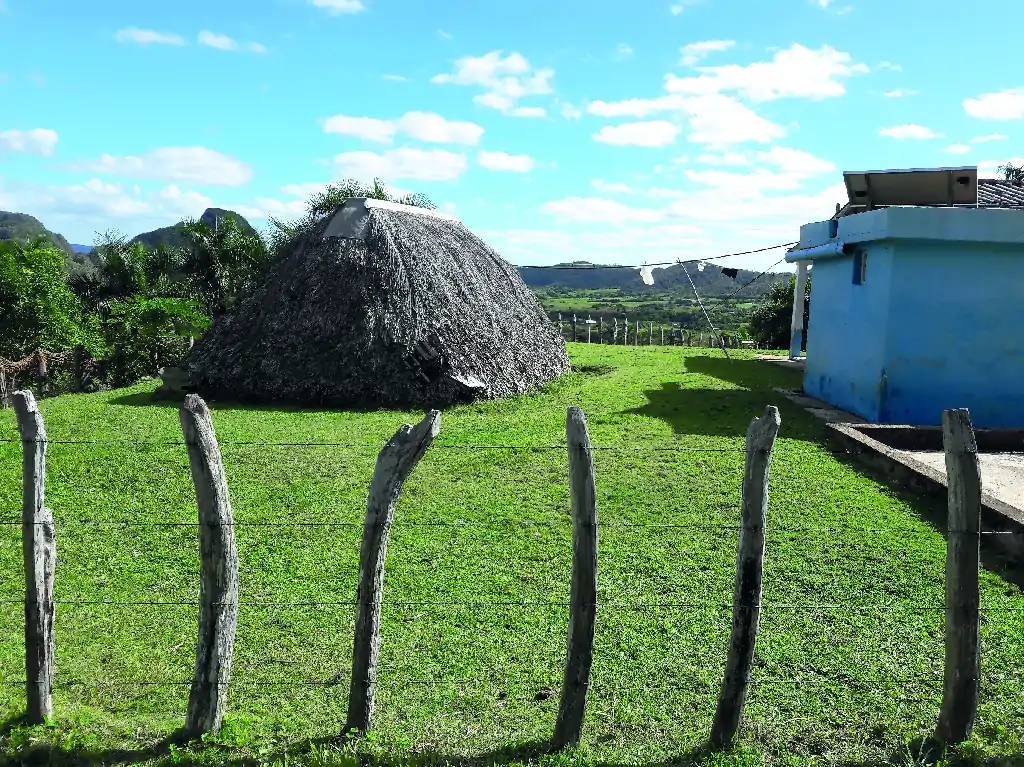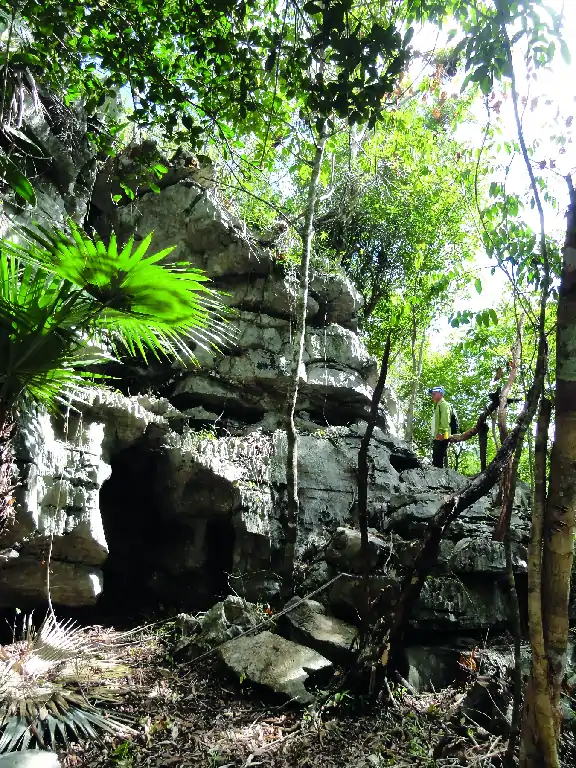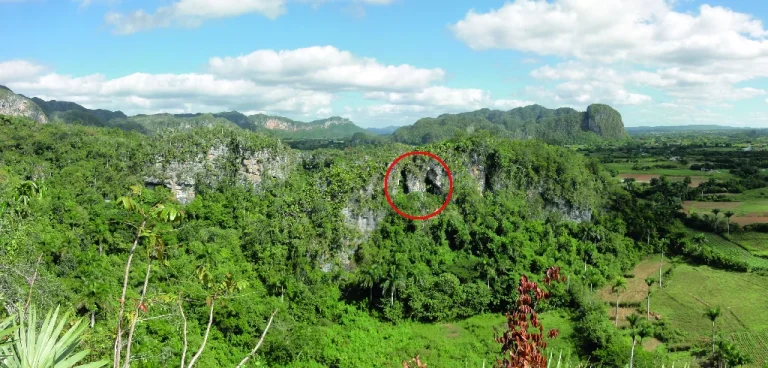

Pleasant walking itinerary along a very pleasant path, a short tour through a cave that crosses a hill and ends in Los Acuáticos (The Aquatics) with a unique view from a high point.






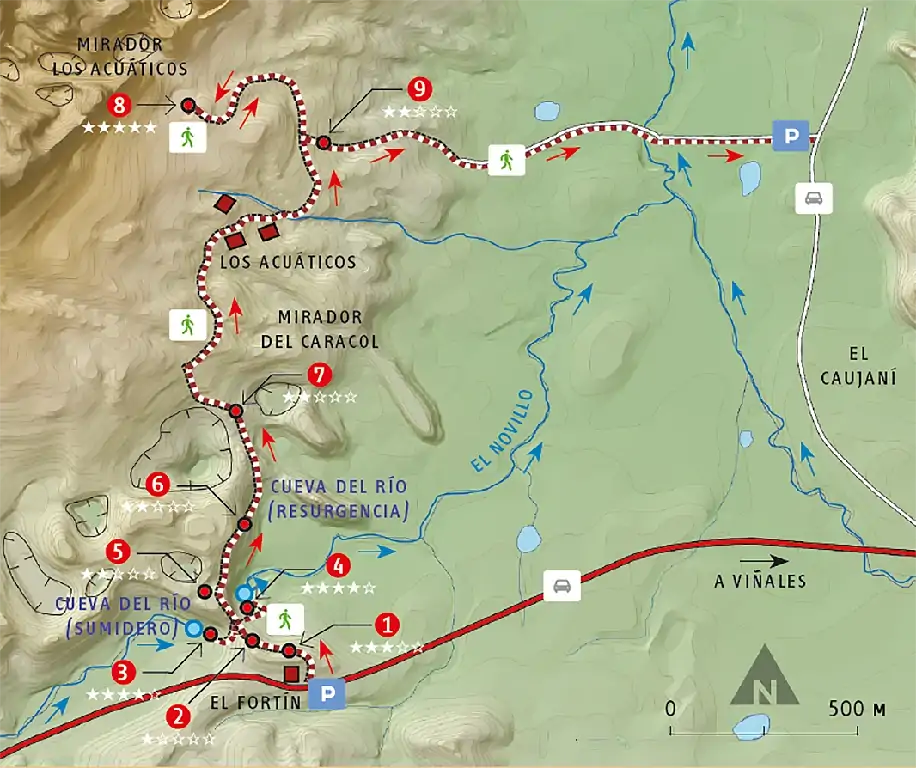
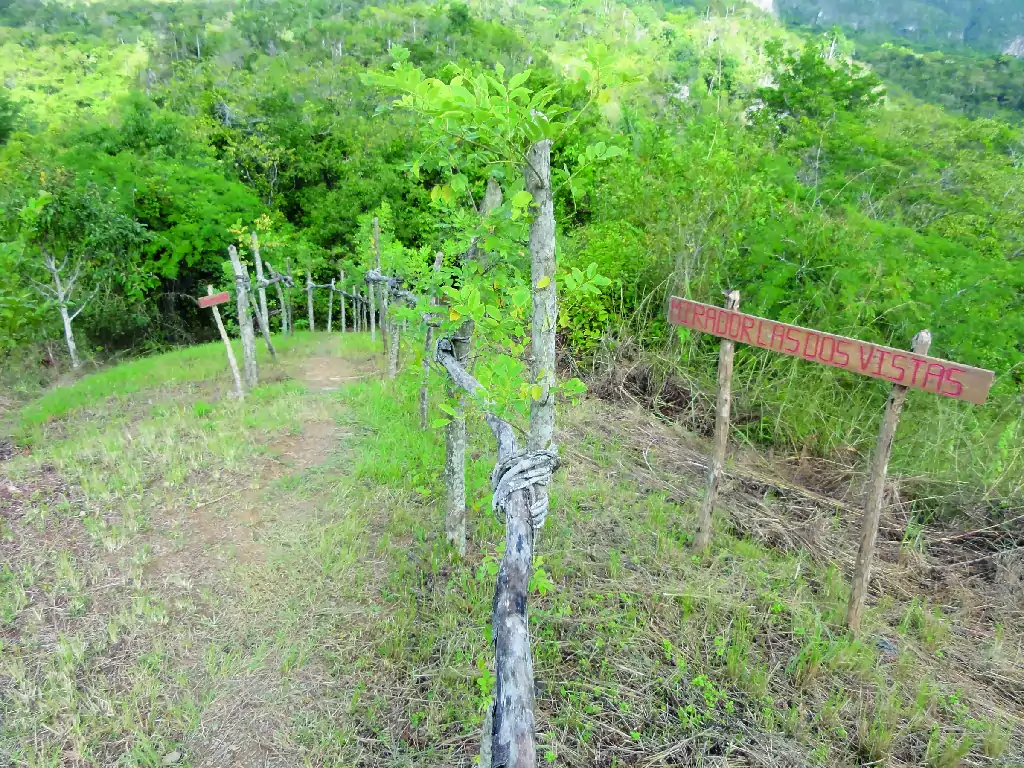
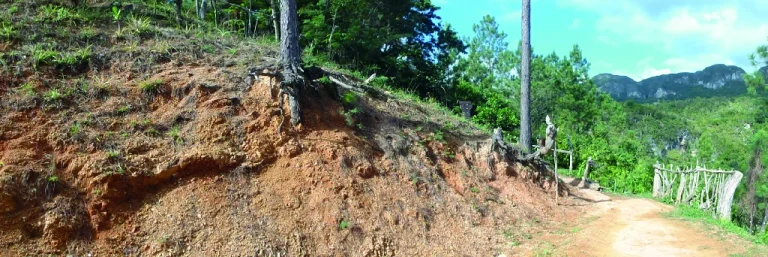
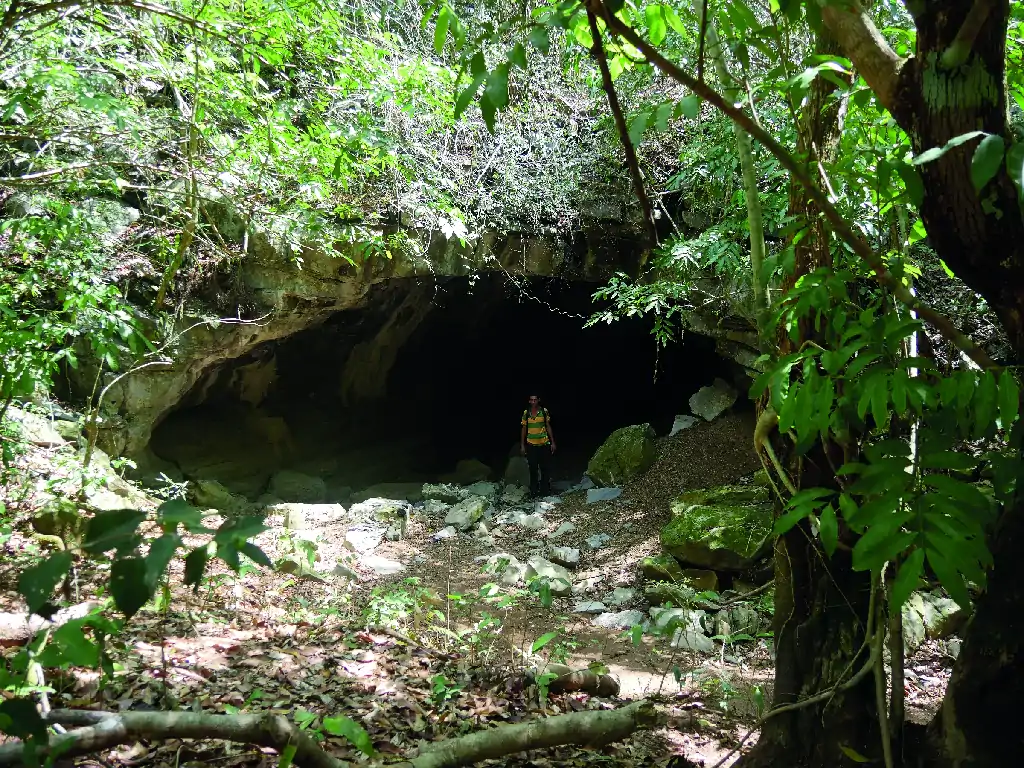
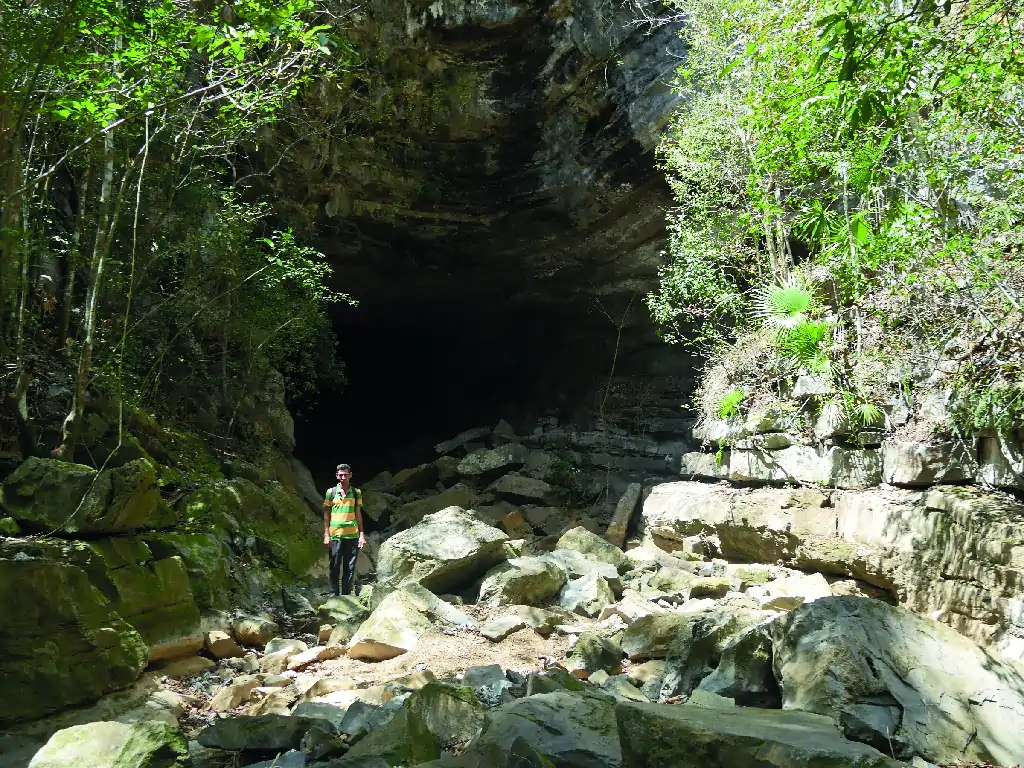
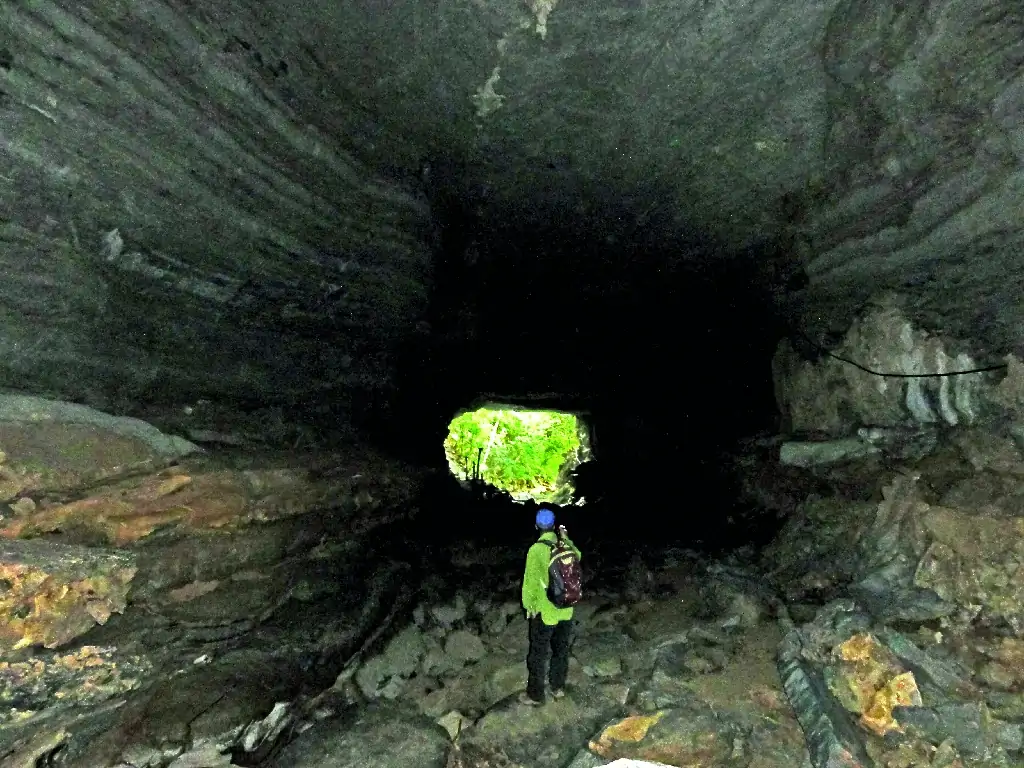
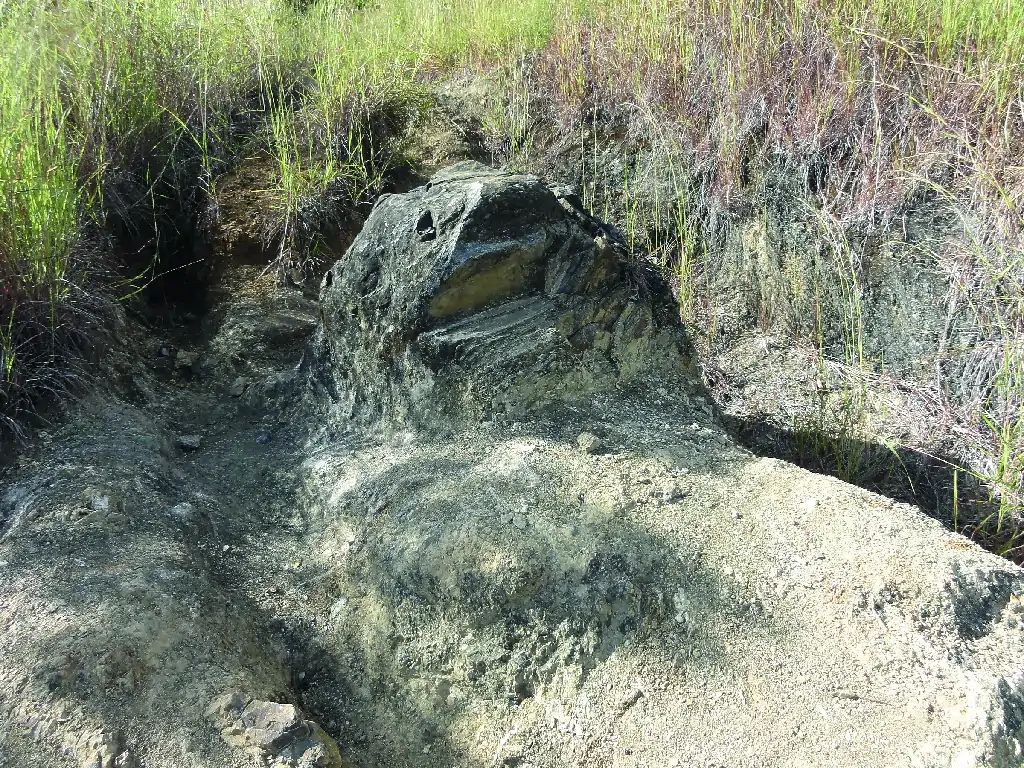
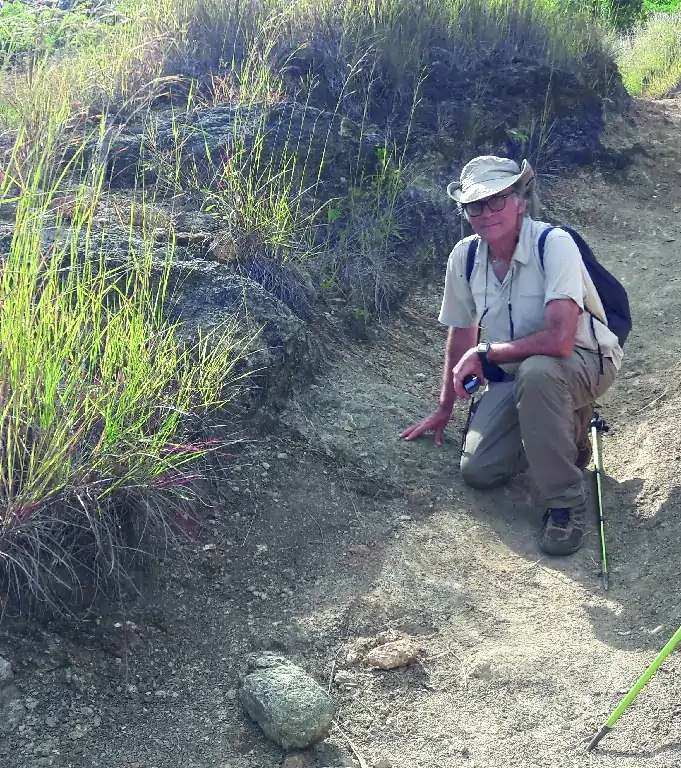
The itinerary can be done from El Fortín to Los Acuáticos and return by the same path. But it is recommended to go by vehicle to El Fortín, do the excursion on foot, and return by the side of Los Acuáticos where a vehicle can pick up the passengers in the Novillo Valley. The first part of the path corresponds to a cultural area, with the urbanized path, small viewpoints, statues, and rest areas. The path continues ascending until reaching the Los Acuáticos area, reaching the height of almost 300 meters above sea level. In the first part of the itinerary, we descend to the bed of the Novillo that crosses a hill underground. In dry seasons, it can be crossed through the cave to the other side. On the way back, you can return by the same path or descend directly to the Novillo Valley, with a stop at the olistostrome materials.



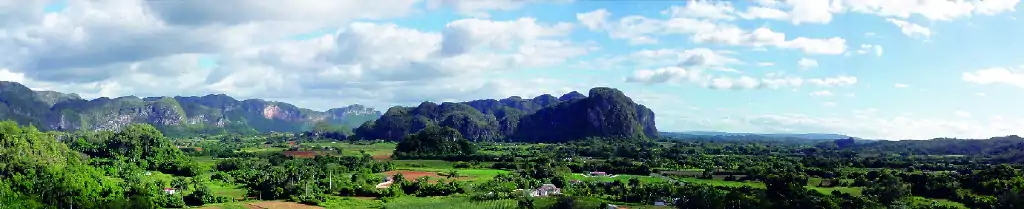
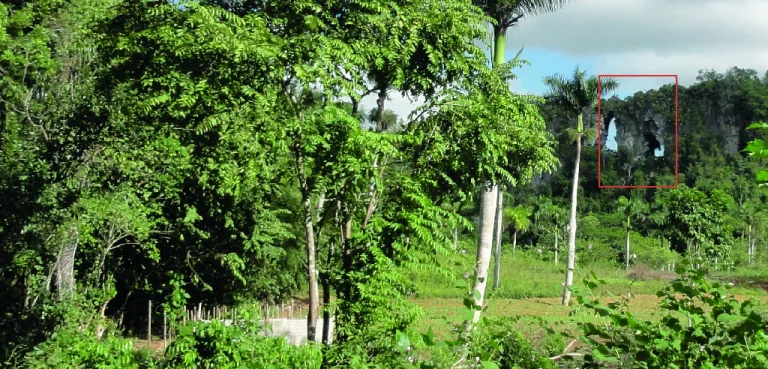
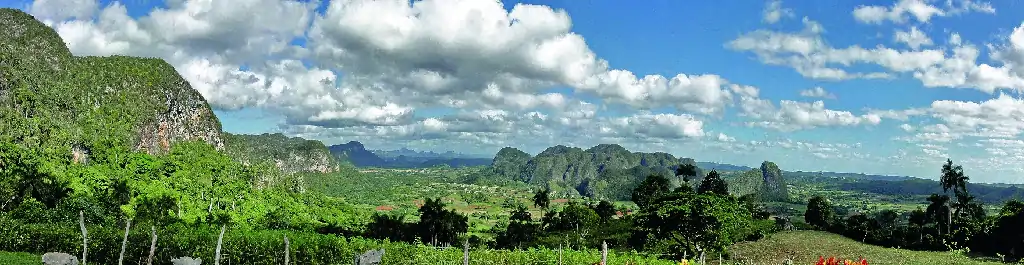
Panoramic view of the mogotes from the west

Unusual image of the Viñales landscape

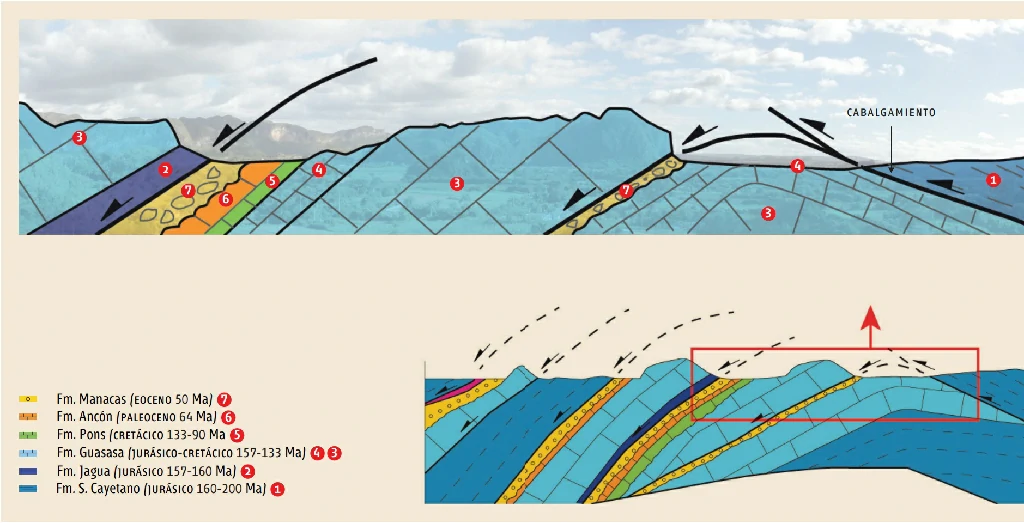
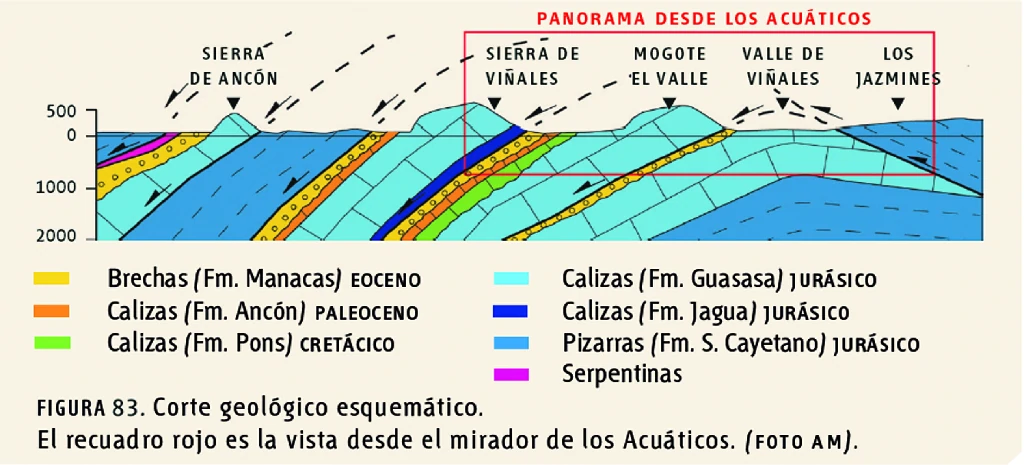
Tectonic structure of Viñales


Change of relief
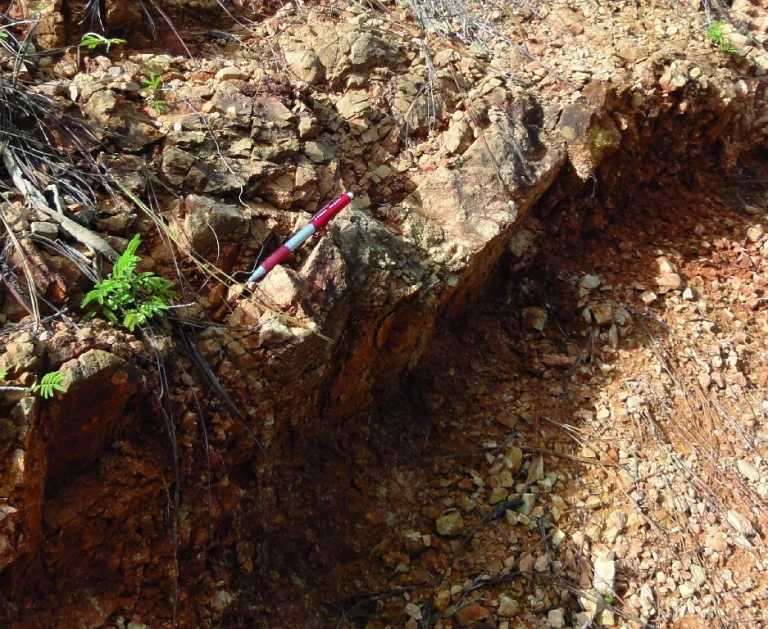
Contact of two different lithologies
Tectonic structure of Viñales

Stream entering a cave
Karst sinkhole
Karst evolution of Viñales Valley
River emerging from a cave
Karst resurgence
Karst evolution of Viñales Valley

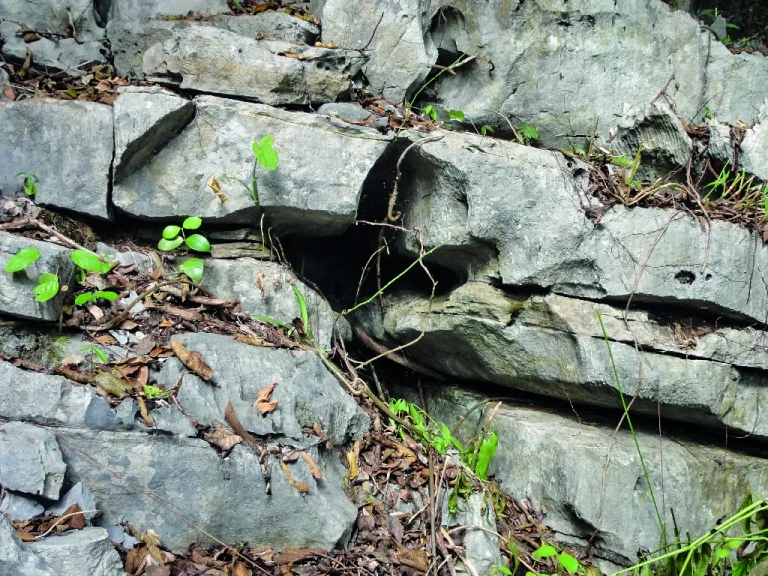
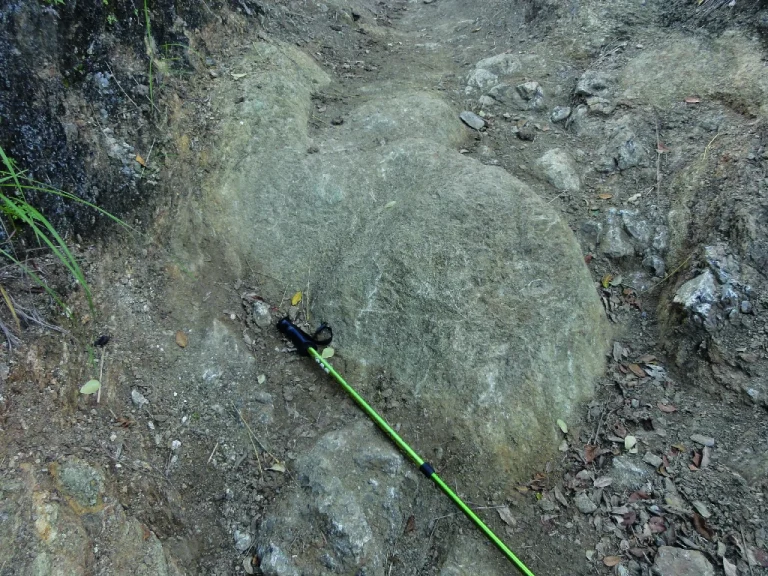
Limestones with sharp grooves
Karst form called lapiaz
Karst evolution of Viñales Valley

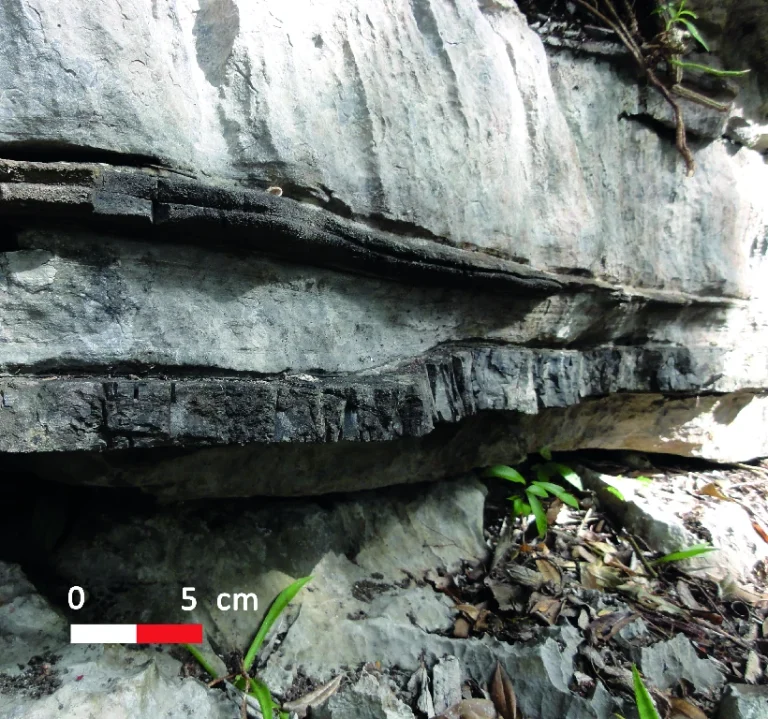
Limestones with dark and hard levels
Limestones with flint levels
The stratigraphic column
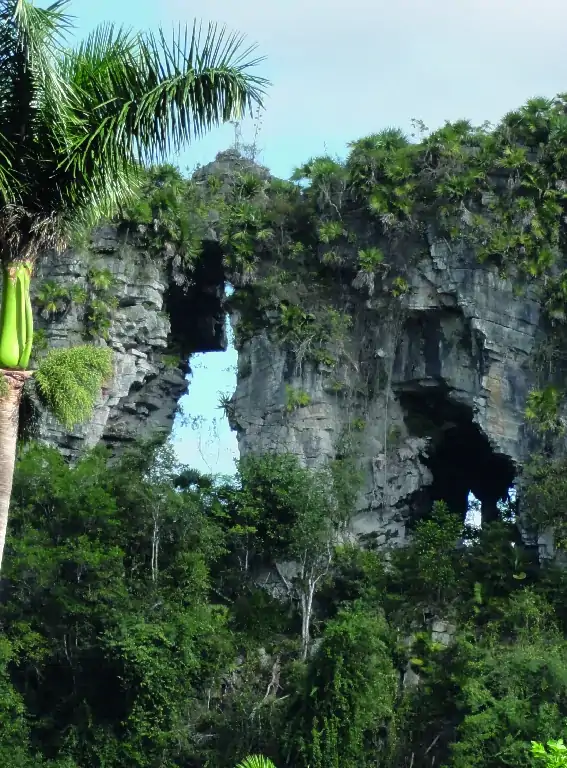
Stone arch
Remains of karst erosion
The stratigraphic column
Almost zenithal view of the mogotes
Another view of the mogotes of Viñales
The tectonic structure of Viñales
Varied rocks
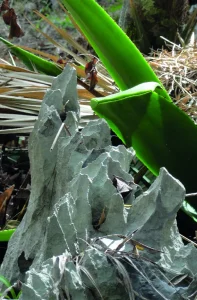
Olistostrome
Sedimentary environments
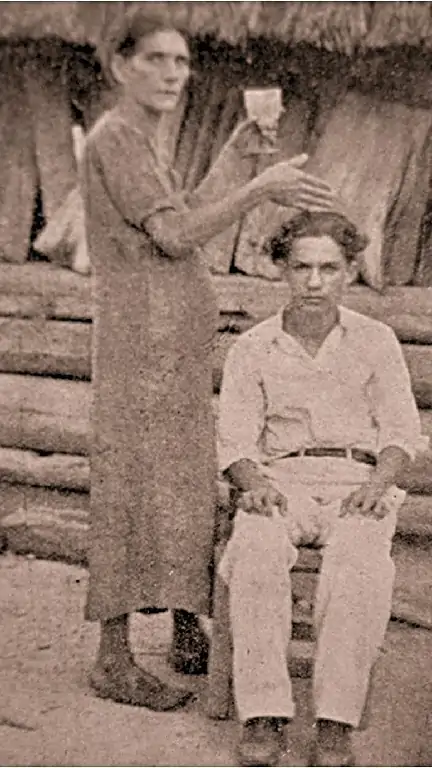
In the 1930s, in the Cayos de San Felipe neighborhood of the Pinar del Río region, lived a woman named Antoñica Izquierdo in very humble conditions. She bore the burden of the household formed by her husband and her 7 children. She was illiterate and dressed in a humble tunic. Her youngest son fell seriously ill, but they did not have the financial means to pay for a doctor and medicines. In the early morning of January 8, 1936, Antoñica claimed to have heard the voice of the Virgin telling her how to cure him with water: "I am going to empower you so that you can heal, but you will never be able to charge anyone or do it out of interest." The sick child was healed, and that was the birth of a phenomenon of popular belief and a legend. From that day on, the myth of Antoñica Izquierdo began to grow. Caravans of people on foot, on horseback, in carts, long lines of believers came from all parts of Cuba to be healed by her. Doctors, pharmacists, and even politicians did not look favorably on someone who healed without charging anything. For this reason, she was accused in 1936 of illegally practicing medicine.