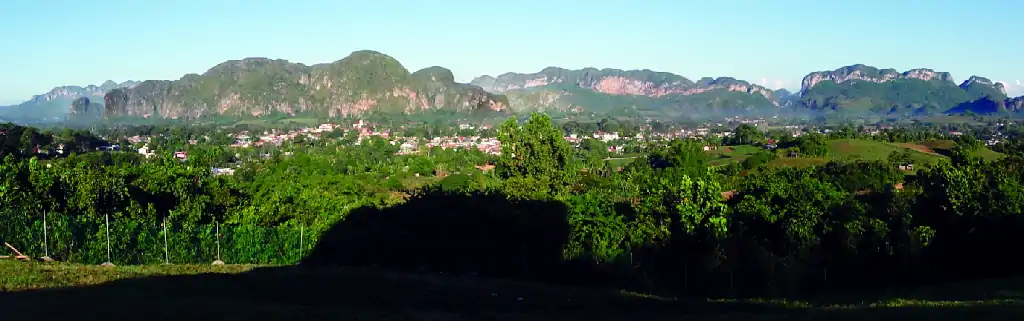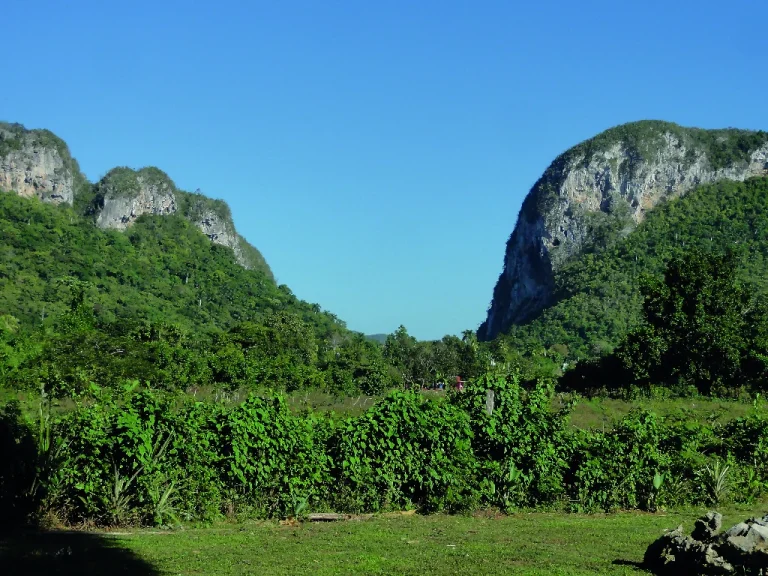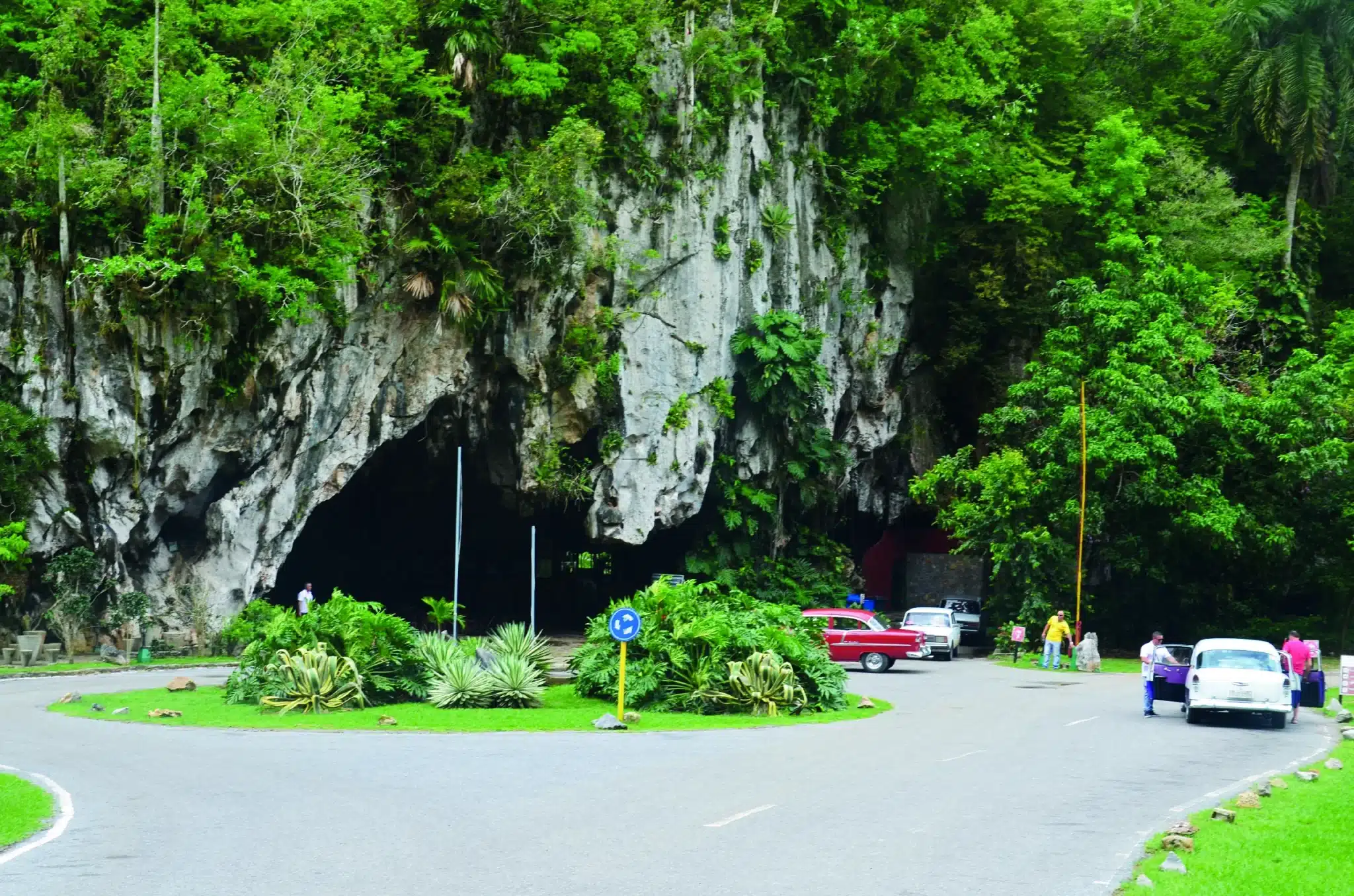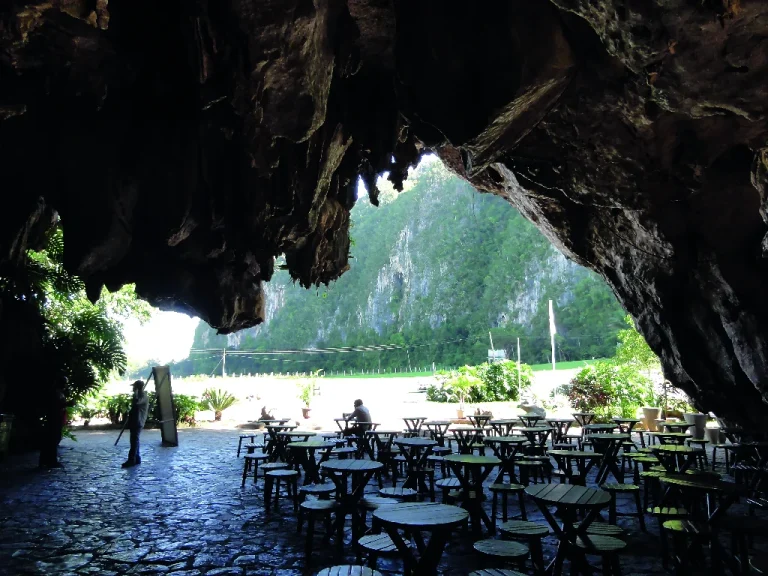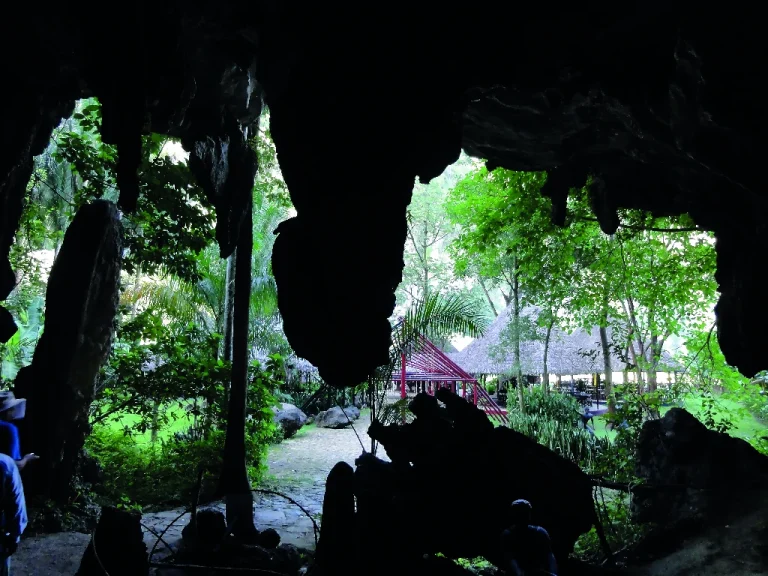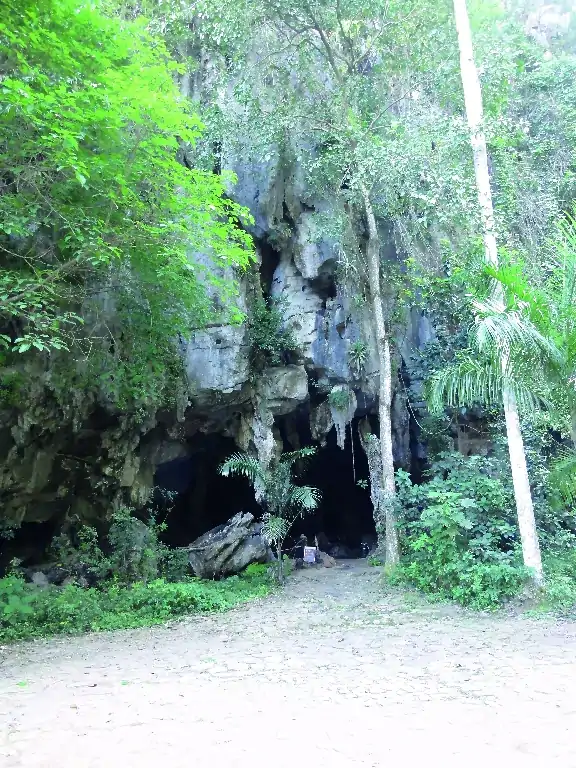
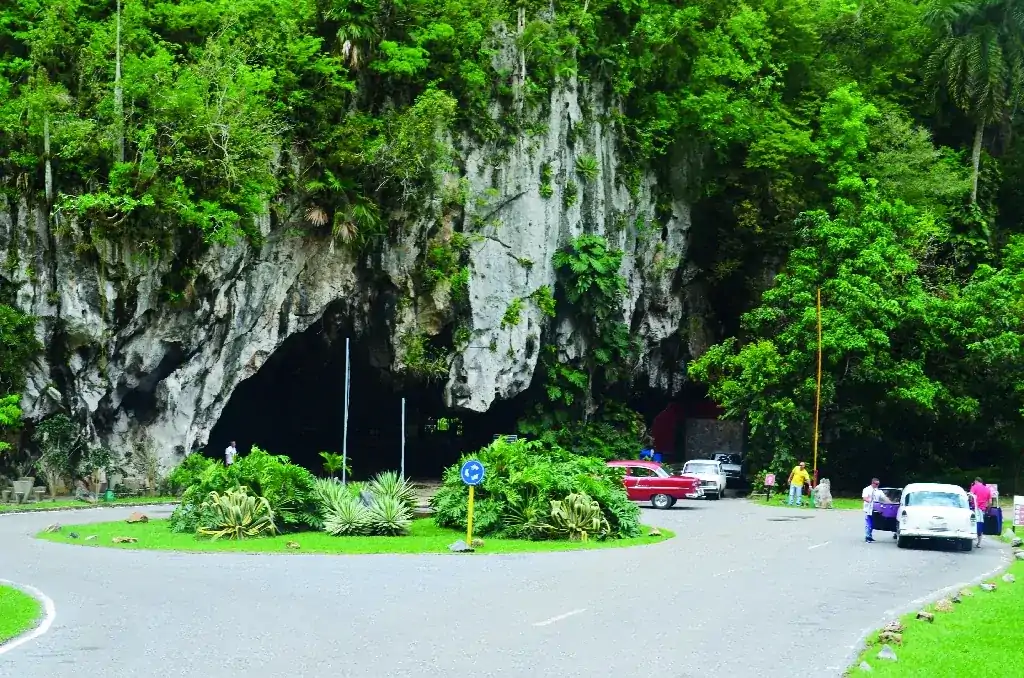
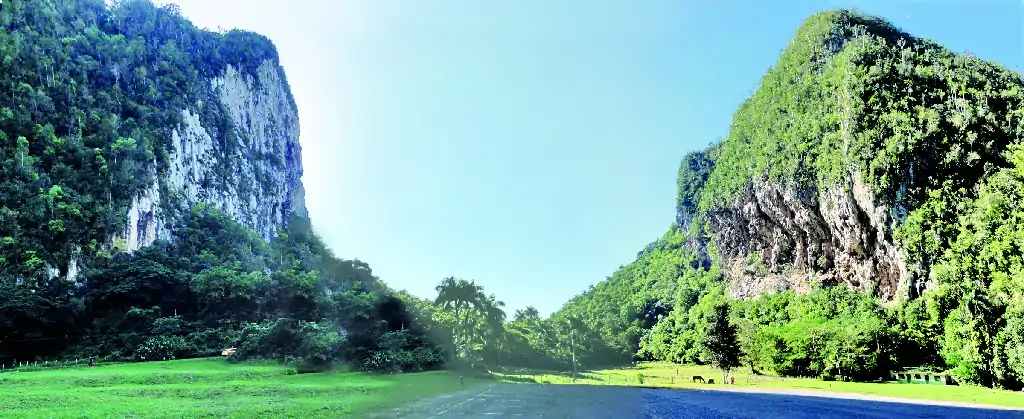

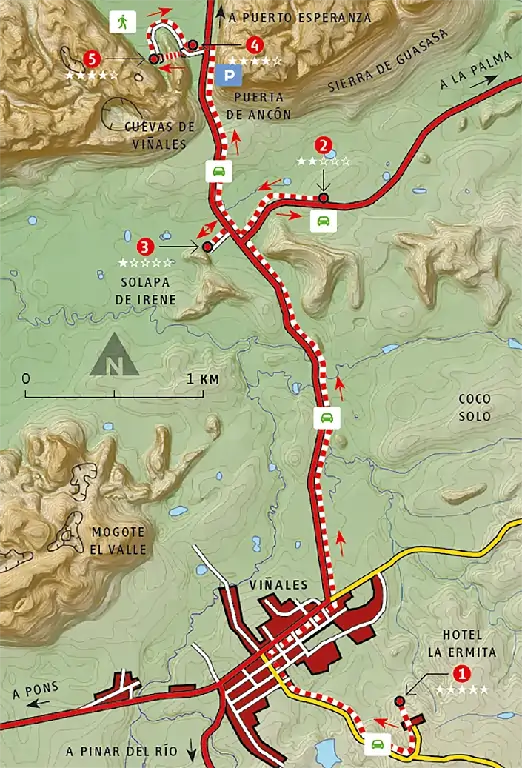
Excellent panoramic view of the mogotes of Viñales from a privileged place: the La Ermita hotel. Passage through the impressive Puerta de Ancón. Access to the José Miguel tunnel cave (Viñales Cave) with exit to the Palenque de los Cimarrones.





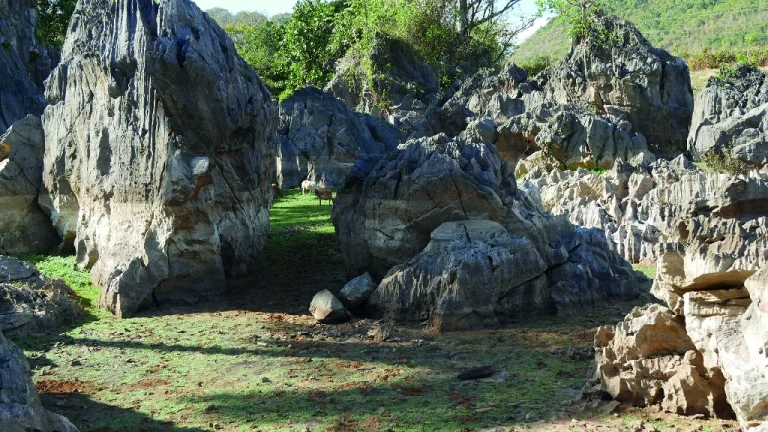
Abrupt and isolated reliefs on a flat background

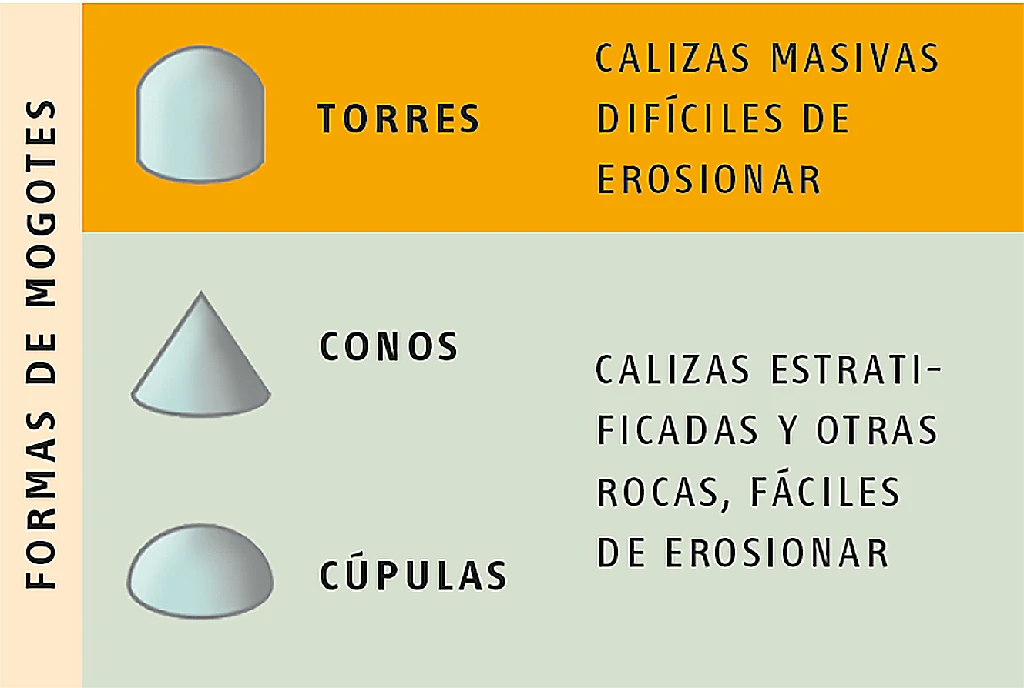
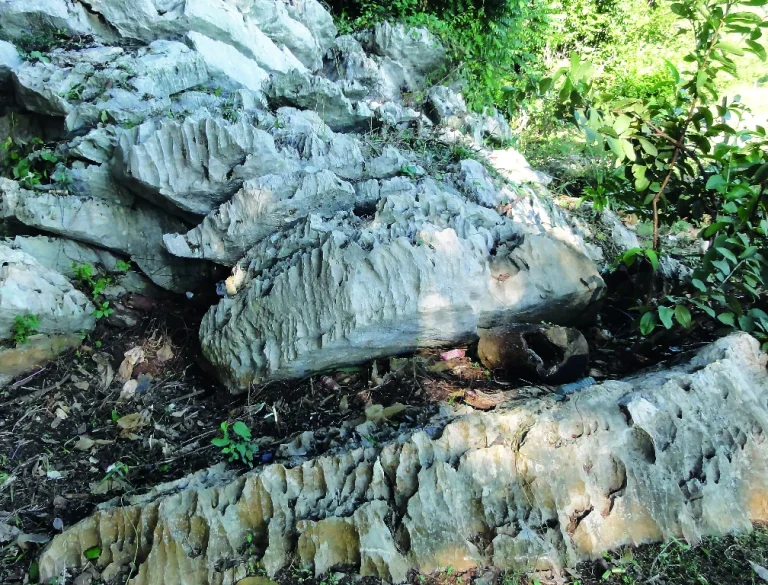
Forms originated by karst

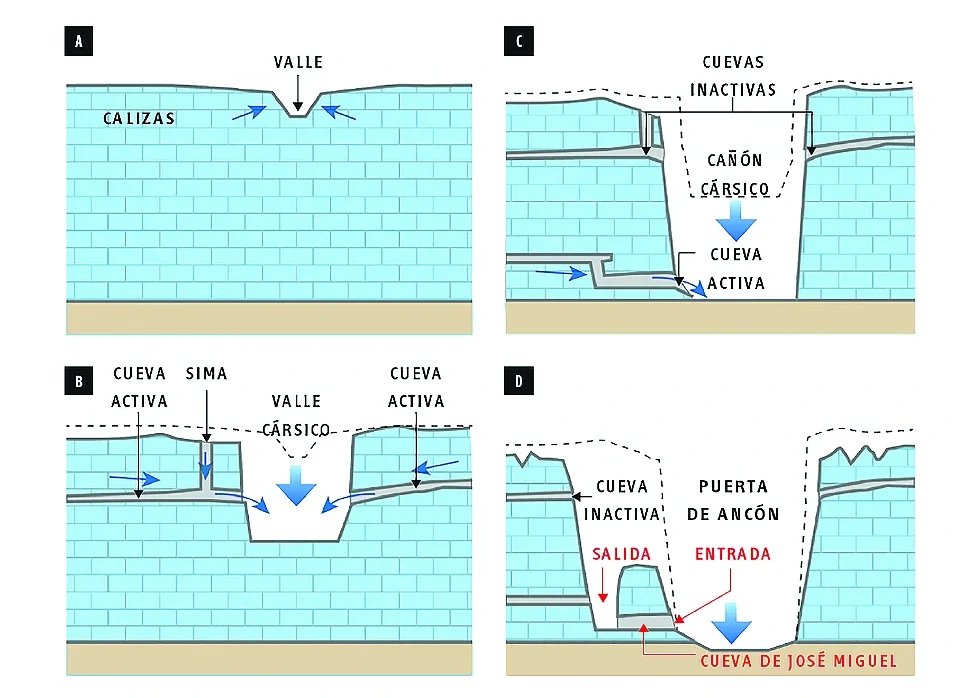
Karst evolution of Viñales Valley

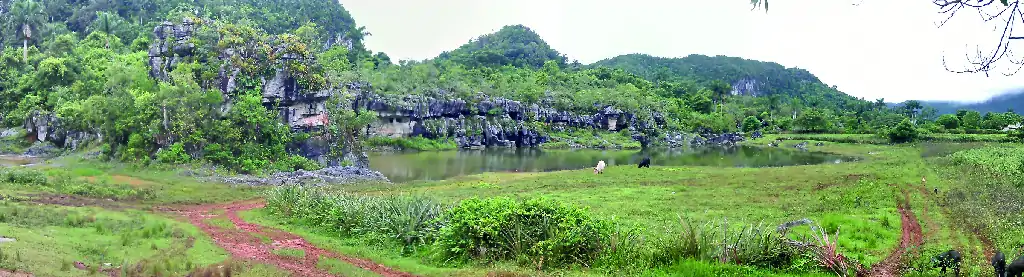
Intermittent lagoon
Lagoon of karst origin
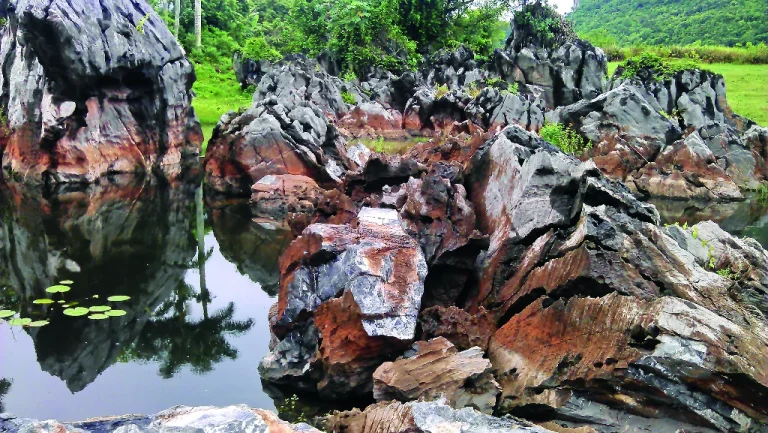
Karst

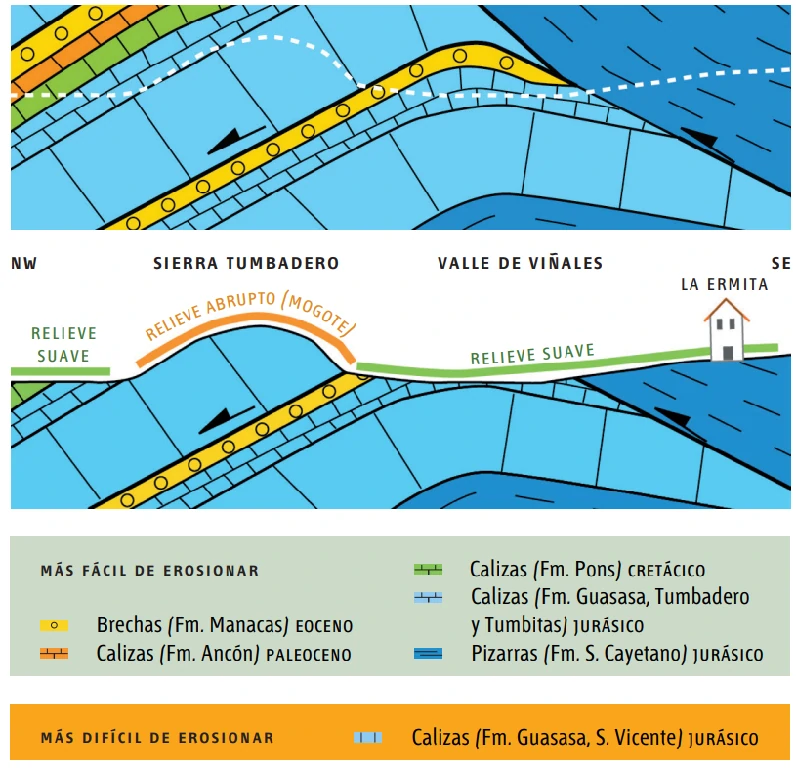
Layers inclined to the north and well stratified
Limestones of the Tumbadero Member
The stratigraphic column
Passage between mountains
Remains of a karst canyon
Karst

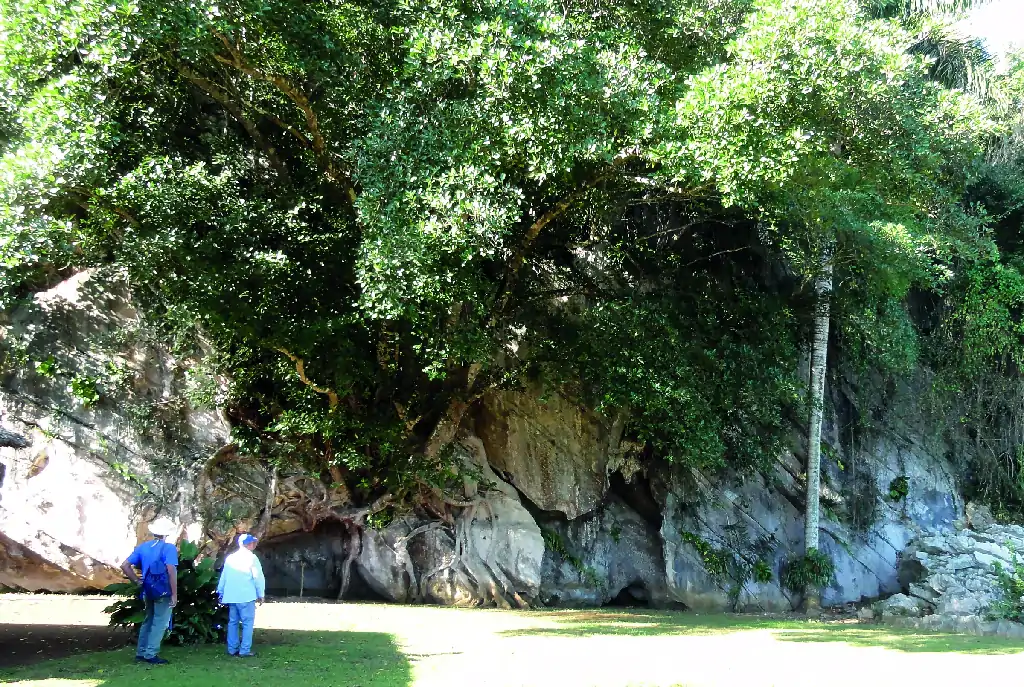
Cave and gallery
Remains of ancient underground rivers
Karst
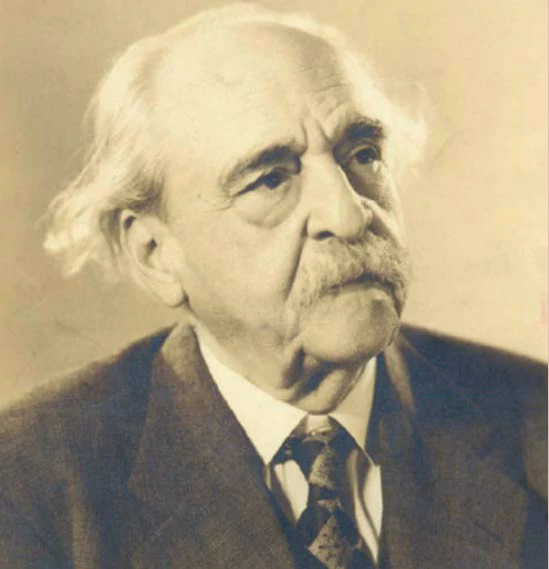
Carlos de la Torre was a prestigious Cuban scientist who dedicated himself mainly to the study of Cuba's fossils. His work greatly advanced the knowledge of the country's geology. He was born on May 15, 1858, and died on February 19, 1950. His main studies were, on the one hand, on the Megalocnus rodens, providing data on the continental nature of the island during the Pleistocene and, on the other hand, on the ammonites that evidenced the Jurassic age of numerous outcrops on the island. His confrontation with the dictatorship of Gerardo Machado forced him into exile to the United States, where he served as president of the Revolutionary Board. Upon his return to Cuba, he was a member of numerous national scientific institutions and related to many foreign scientists. About his campaign in Viñales, the following anecdote is told: On his first paleontological exploration in Viñales, he discovered, for the first time in Cuba, Jurassic fossils. He was so excited that he sent a telegram to his colleagues at the University of Havana. When he returned to Havana the next morning, soldiers were waiting for him at the train station, who arrested him and confiscated his luggage. To his astonishment, the officer showed him his telegram, which read: "Numerous rifles found near Viñales in the coffin of the Mountains, urgent shipment with the cargo tomorrow early. Wait for me at the train terminal." Fortunately, he kept the original note he gave to the telegraphist, where it was clearly seen that instead of "ataud” (coffin) it said "talud” (slope) and instead of "fósiles” (fossils), “fúsiles” (rifles).