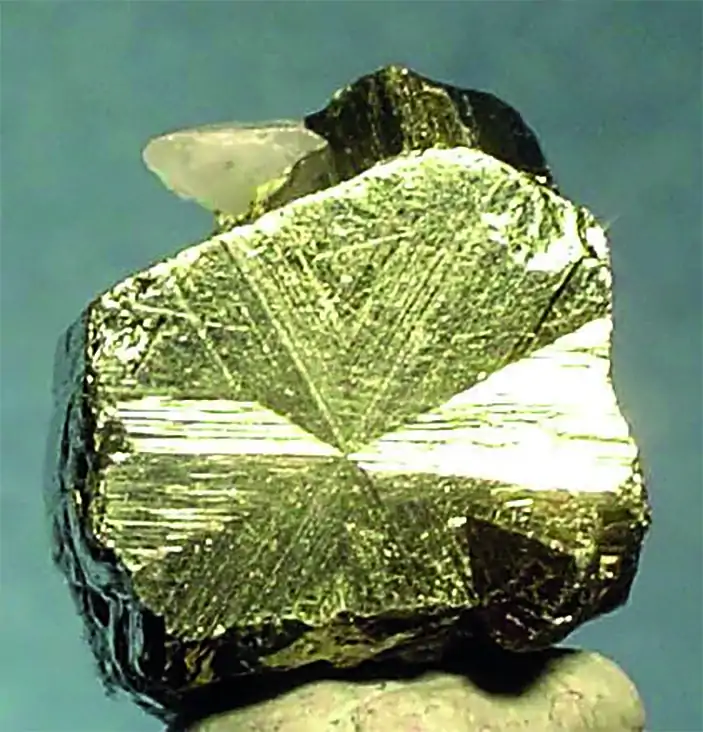
CUBANITE, A 100% CUBAN MINERAL MINED AT MINA CONSTANCIA
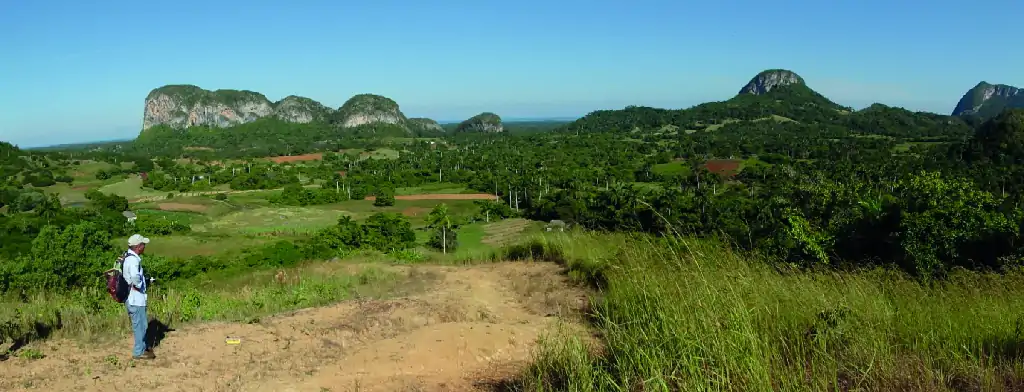
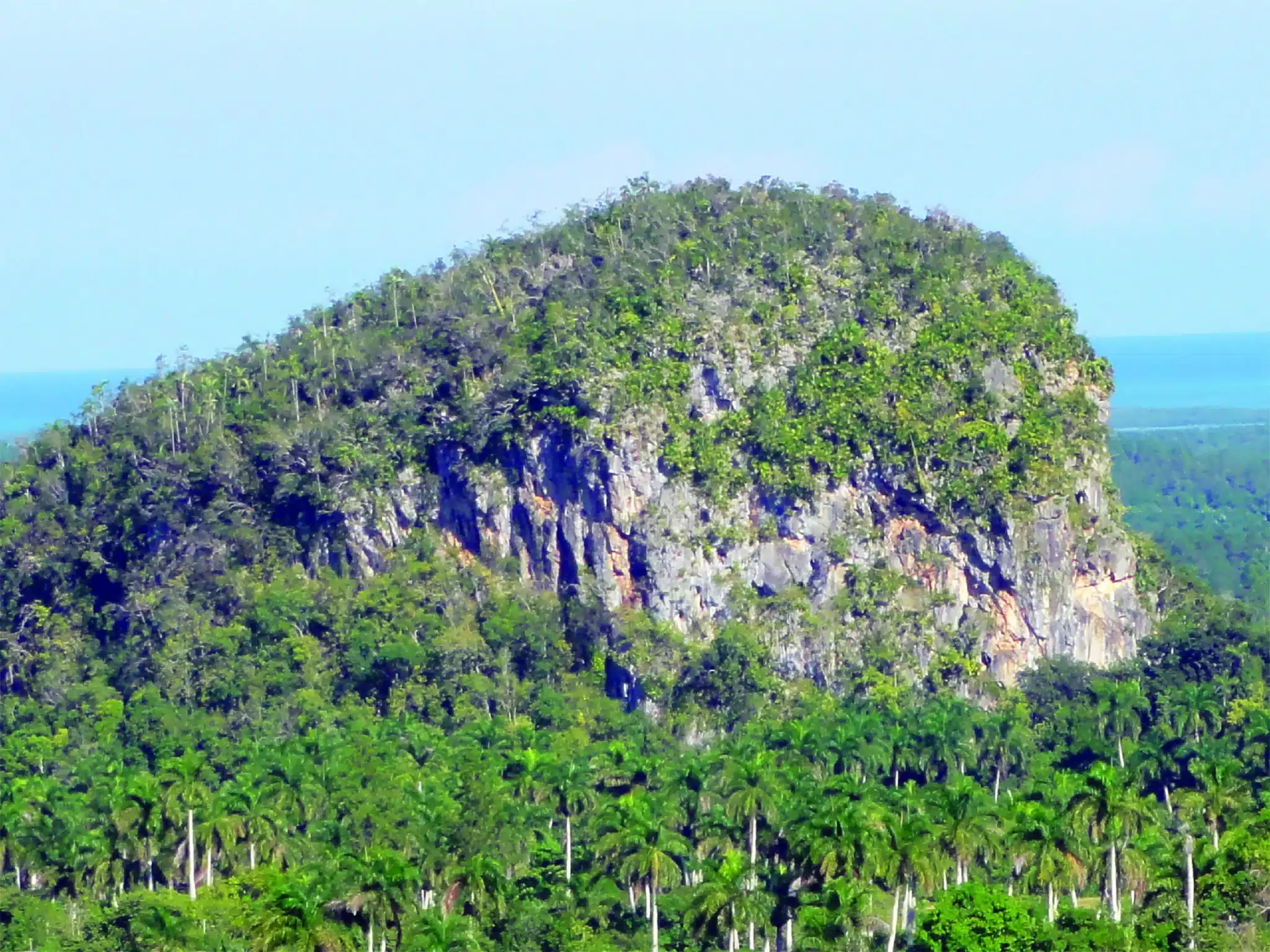
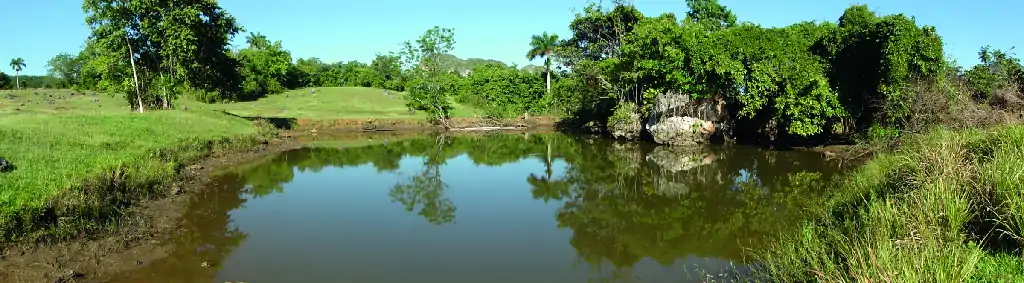
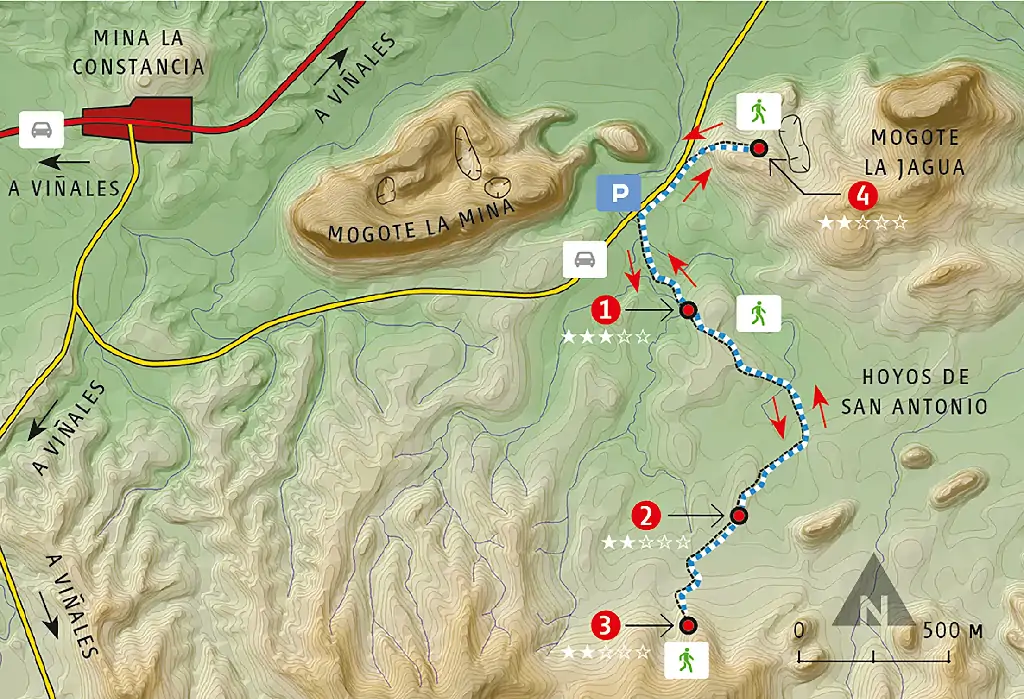
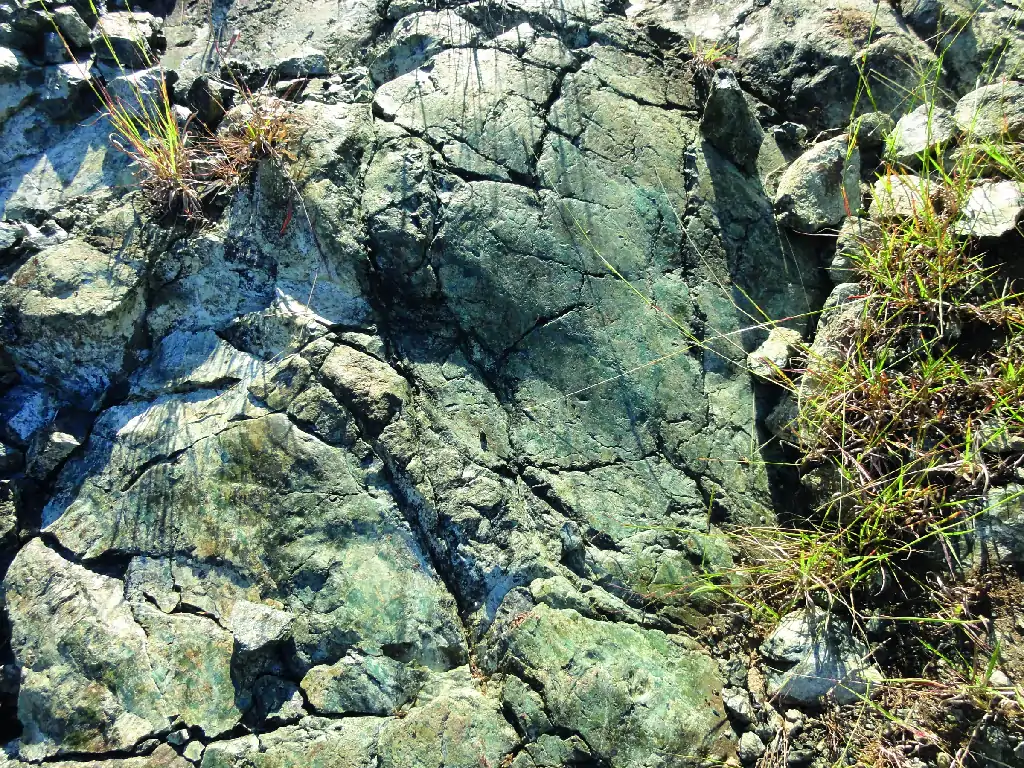
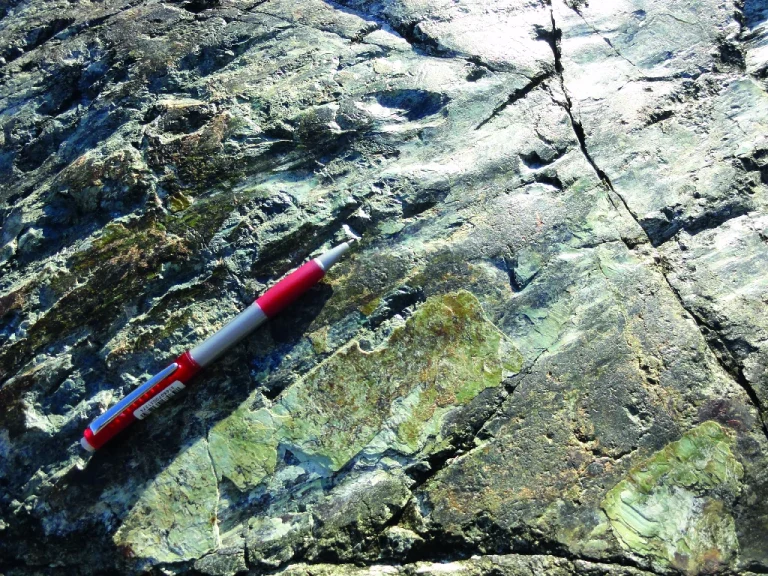
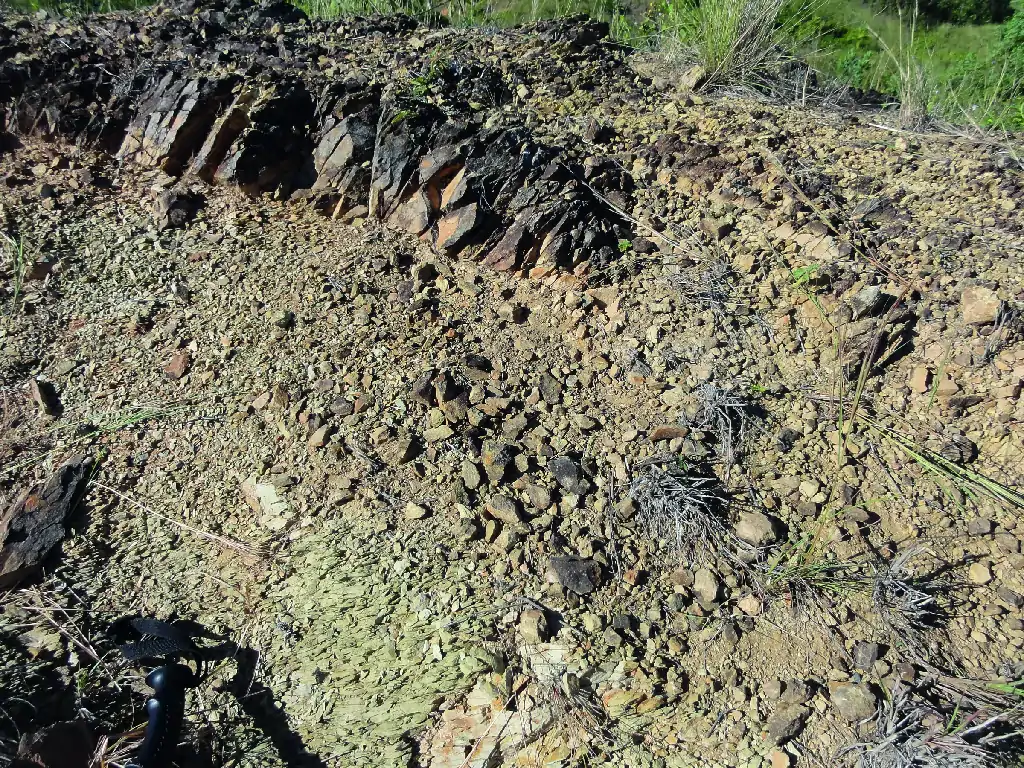
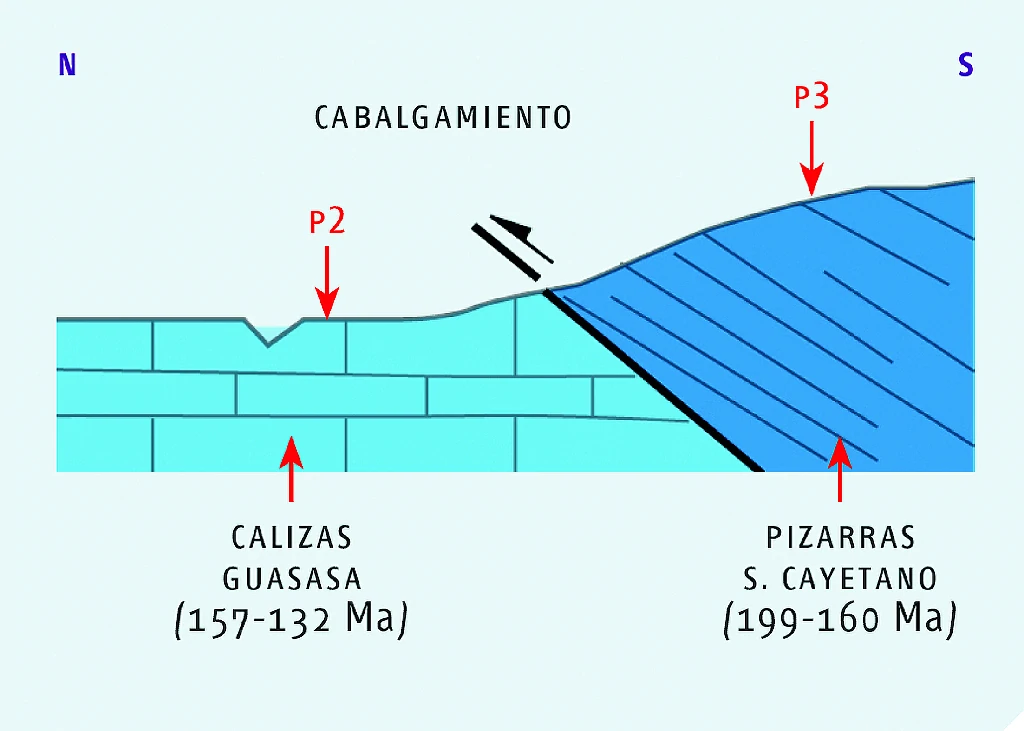
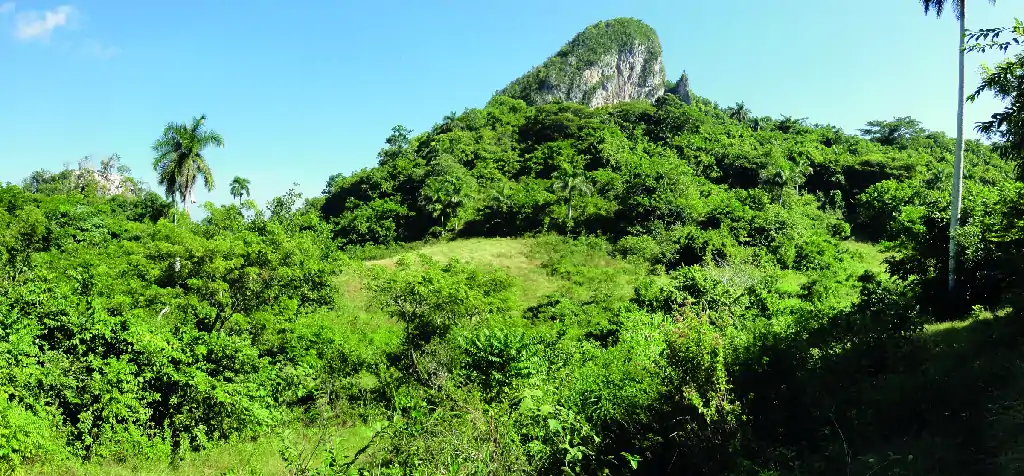
On the NW side of Mogote La Mina, where the road connecting Viñales to La Palma passes, there is a small cluster of houses called Mina Constancia, as there was once a mine with that name in this place, of which almost no traces remain today. The main mineral mined was cubanite, a copper sulfide that owes its name to being first defined in Cuba in 1843. Its chemical formula is: CuFe2S3. It has a high copper content; specifically, the cubanite from this mine had between 16 and 18 % Cu. The exploitation was carried out through a vertical shaft that could reach a depth of 400-500 m, from which several levels of galleries were designed according to the orientation of the mineral body. The rock surrounding the mineralization is a very unstable chaotic sequence, prone to generating collapses easily. This mine was sadly famous for a collapse accident that caused the death of 300 miners, most of Chinese origin. Its origin dates back to 1830, and it is known that copper was smelted, but the quantity is unknown. During the War of Independence, the exploitation was halted until its end. The period of greatest production was between 1909-1912, with a production of between 35,000 and 80,000 tons, with a grade between 15 % and 21 % copper. The exploitation stopped when it reached a fault cutting the mineral. In the 1960s, geophysical prospecting and drilling were carried out in search of the continuation of the mineralization, but the studies were halted, and the mine has been completely abandoned.