Although geology may sometimes seem like just the study of rocks and fossils, it is fundamental to our society. It allows us to understand the subsurface and is key to safe and sustainable development, helping us build securely, manage water and mineral resources, and prevent natural disasters.
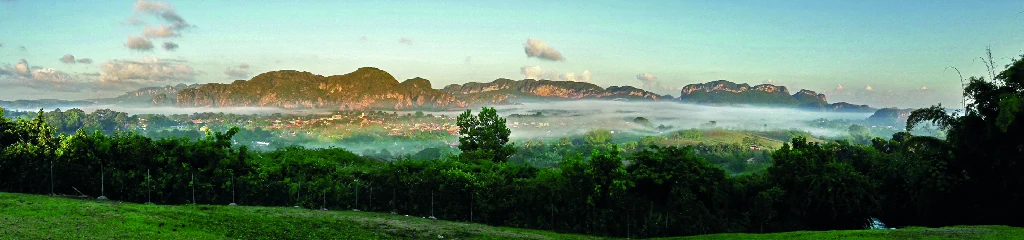
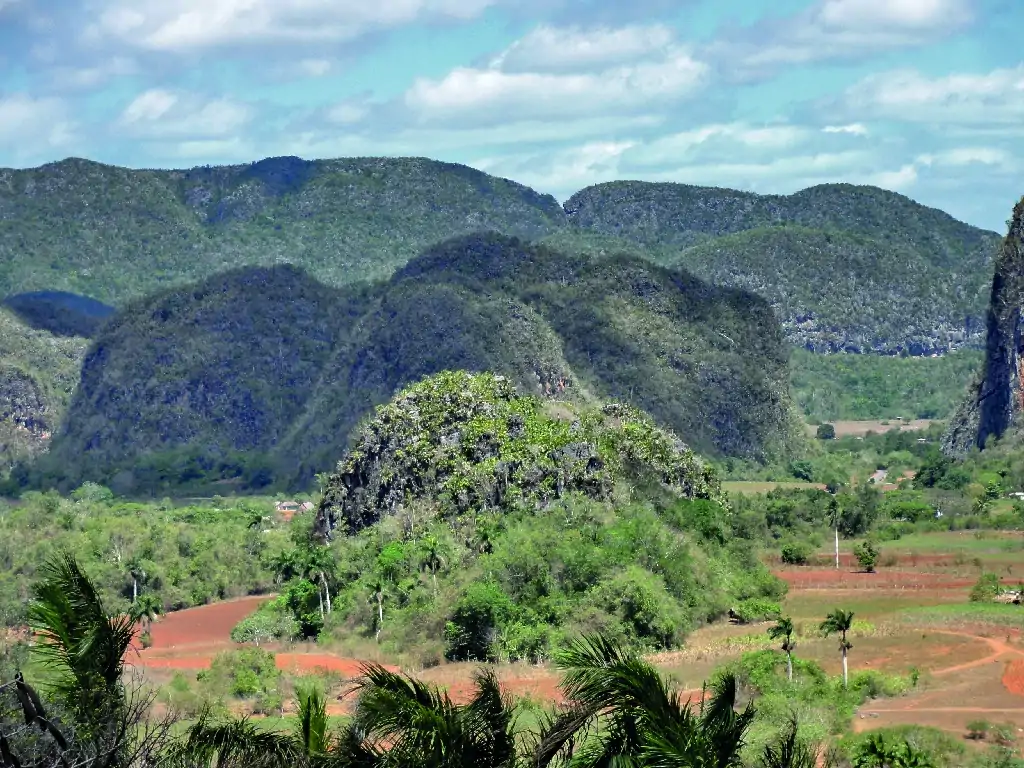
The work of a geologist is like that of a detective reconstructing Earth’s history over 4.5 billion years. A fascinating example of this geological richness is Viñales in Cuba, where the mogotes create a globally recognized unique landscape. This area is not only notable for its biodiversity but also offers a window to observe geology in its purest form, where its mountains, valleys, caves, and fossils tell stories that help us understand the past and anticipate the geological future.
Exploring Viñales is an experience that engages all the senses, awakening curiosity and awe at the beauty and complexity of the natural landscape and its geological origins.
GENERAL CONCEPTS
A JOURNEY TO THE EARTH'S INTERIOR
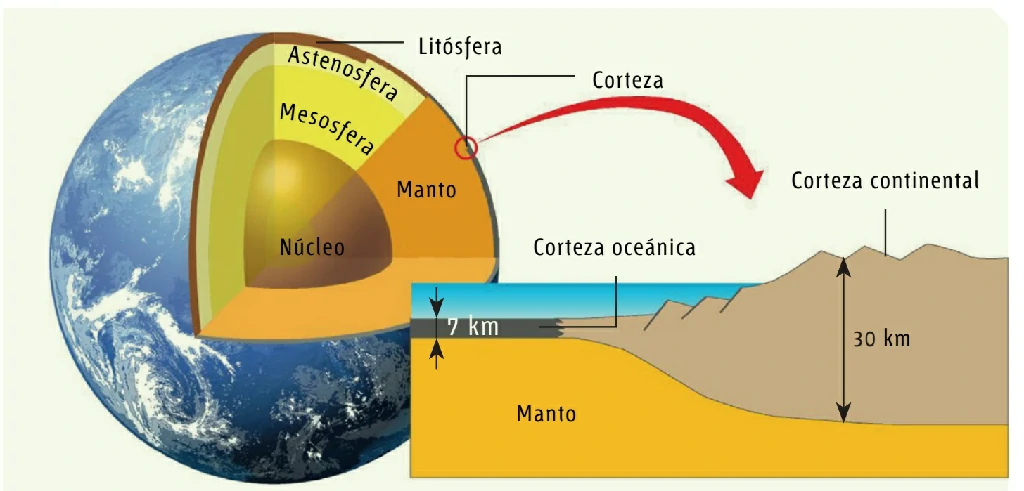
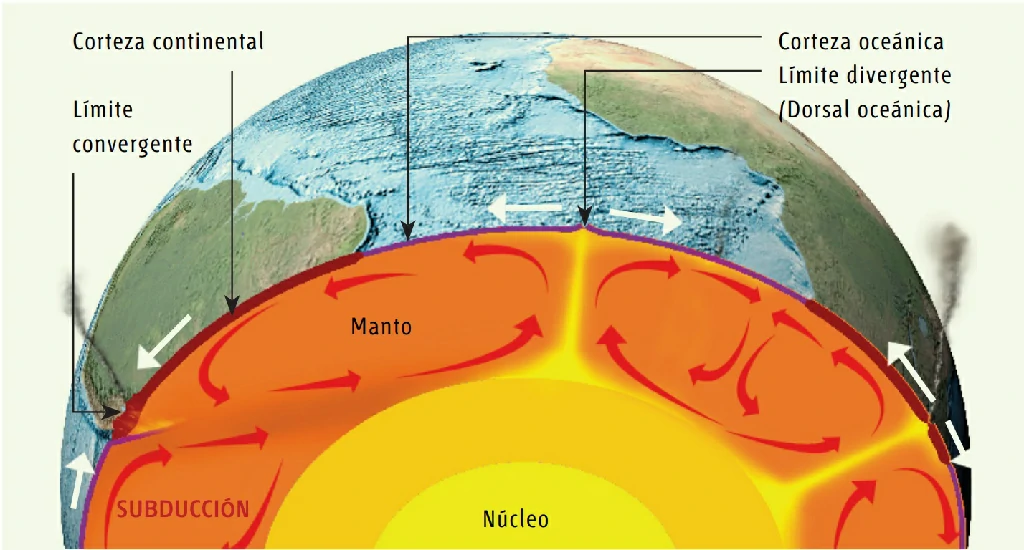
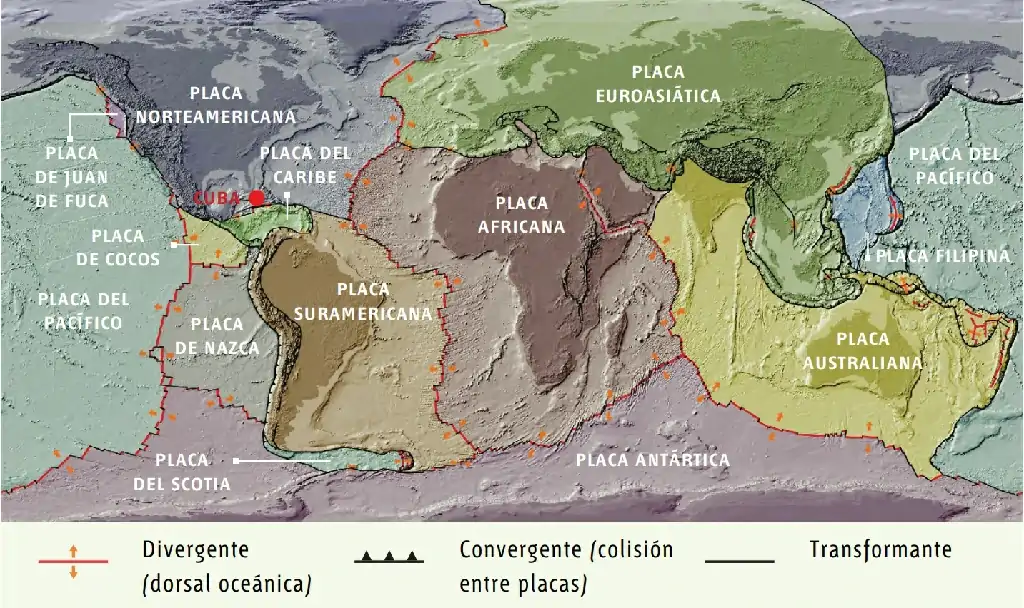
Our planet is a mosaic of layers (core, mantle, crust) in constant motion. Did you know that these layers, through plate tectonics, are responsible for the formation of mountains, the opening of oceans, and phenomena like volcanoes and earthquakes? Cuba, for example, is located at a key contact point between plates.
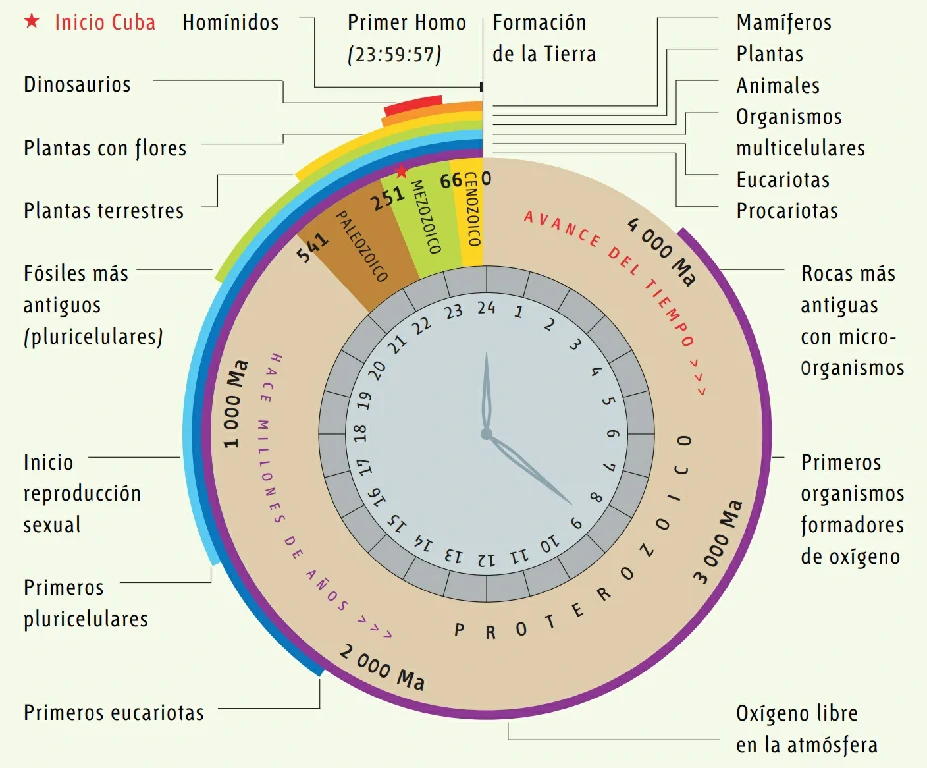
GEOLOGICAL TIME: A MILLIONAIRE CLOCK
The geological time scale is immense. If Earth’s history (4.5 billion years) were a single 24-hour day, complex life would appear only after 9:12 PM, and humans would make their appearance just seconds before midnight! This helps us understand why geological changes are so slow from our perspective.
ROCKS: THE FOUNDATION OF OUR WORLD
Rocks are the foundation that supports us. They form in various ways: from the cooling of molten magma (igneous rocks), the accumulation of sediments over millions of years (sedimentary rocks, like the limestones of Viñales), to the transformation of existing rocks under extreme pressure and temperature (metamorphic rocks). They are essential for construction, energy, and metal extraction.
TECTONICS: SCULPTING THE LANDSCAPE
The diversity of reliefs on our planet, from towering mountains to deep valleys, is the result of the interaction between plate tectonics and erosion. Although rocks may seem hard, they fold and fracture under Earth’s immense internal forces, creating the structures we see in the landscape.
THE FASCINATING WORLD OF KARST
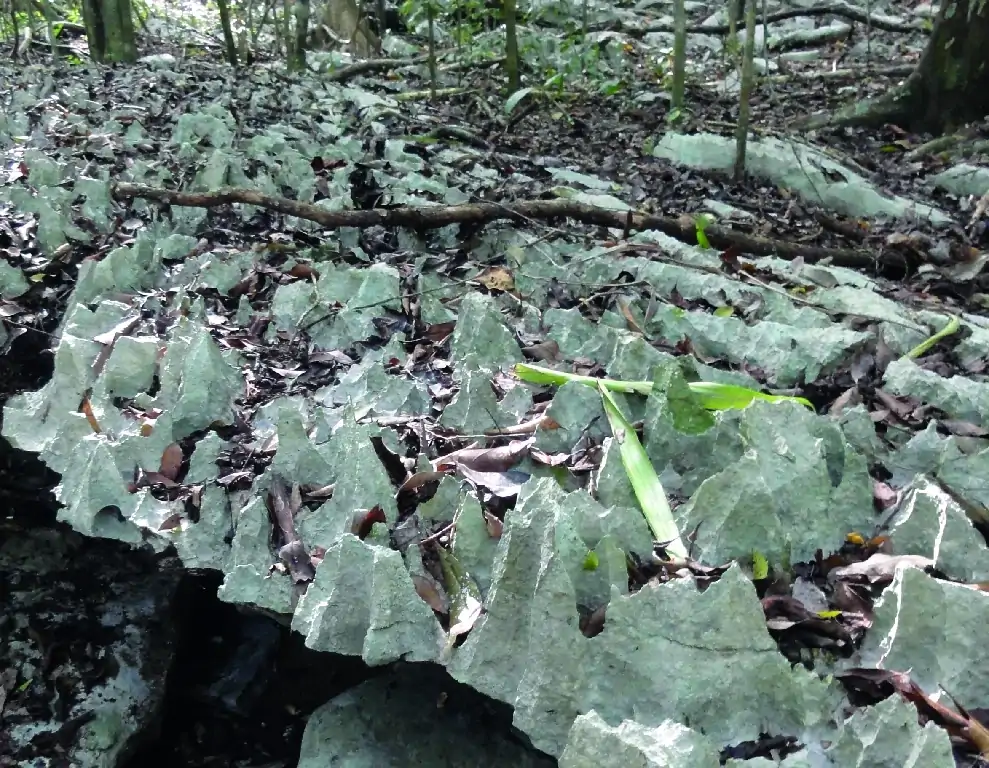
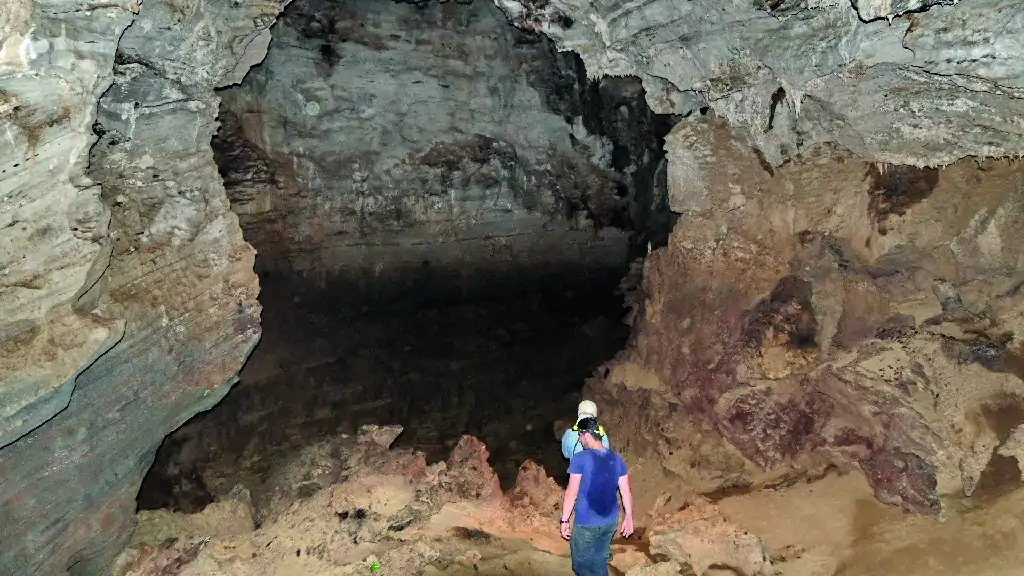
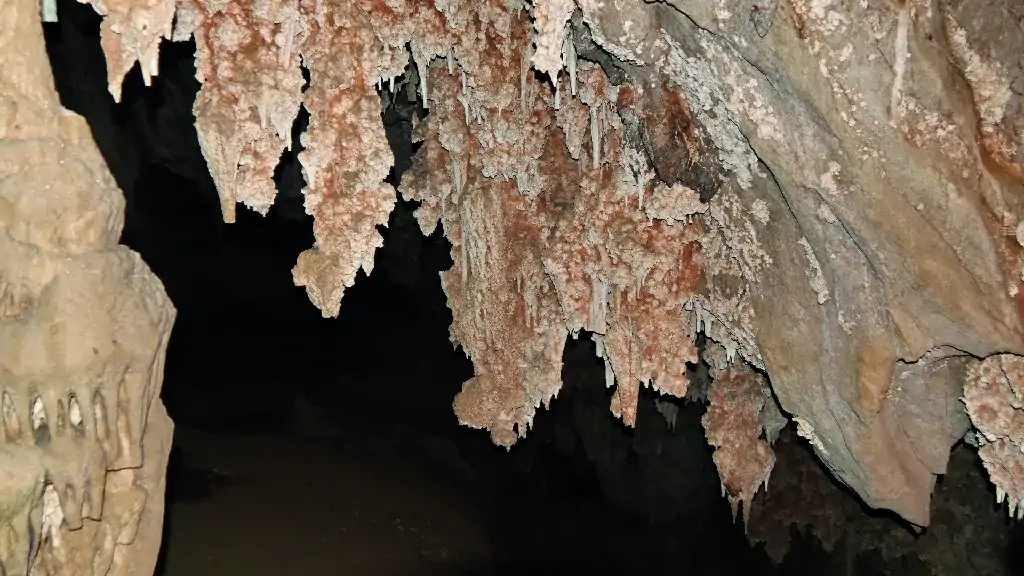
Why are there so many caves and unique rock formations like the mogotes in Viñales? Karst is a distinctive type of relief formed by the dissolution of soluble rocks like limestone by water. This process creates impressive underground systems with stalactites, stalagmites, hidden rivers, and the iconic conical elevations that define Viñales’ landscape.
FOSSILS: WINDOWS TO THE PAST
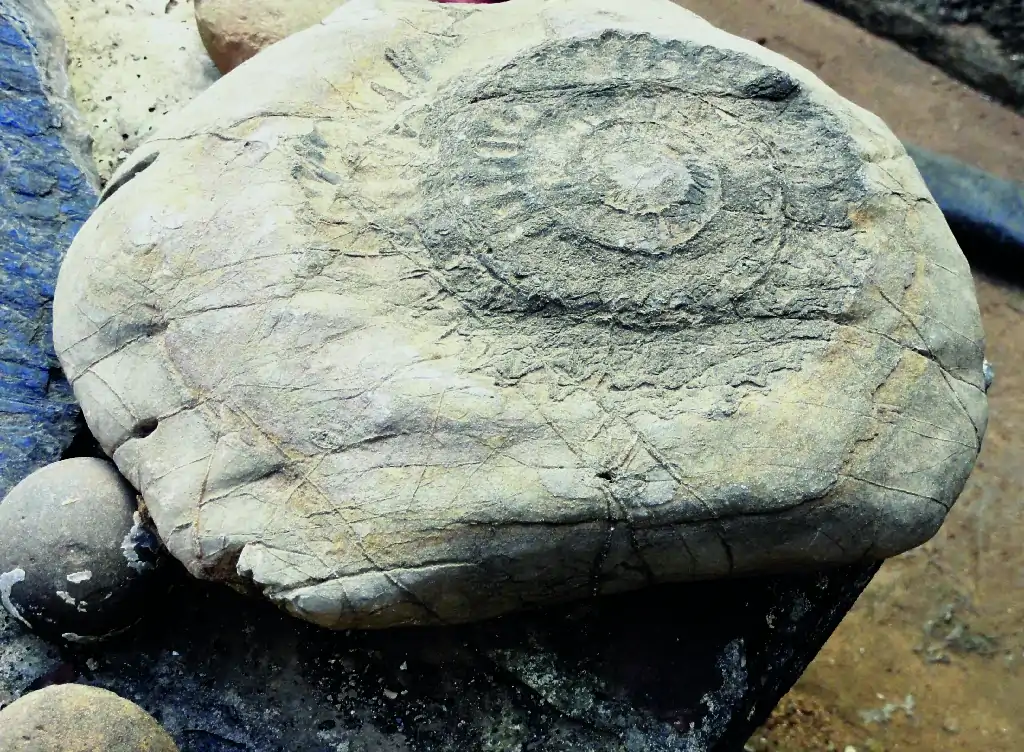
Fossils are much more than ancient bones; they are the remnants of living beings preserved in rocks. They provide invaluable information about past life, the environments they inhabited, and help date rocks, revealing crucial chapters in Earth’s history. Viñales is a treasure trove of Jurassic fossils, especially ammonites.
Want to Know More?
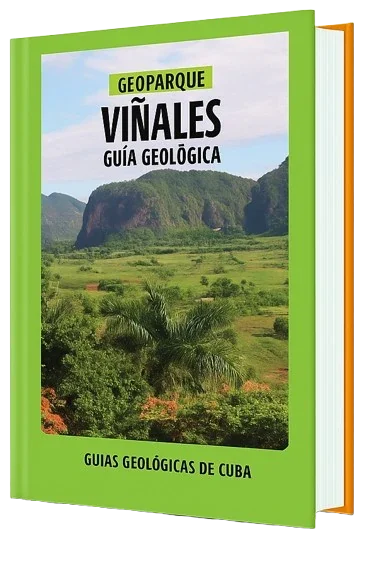
Discover it in our geological guide to Viñales Geopark!
These are just some of the fundamental concepts that will help you appreciate the geology around you. If your curiosity is piqued and you wish to delve deeper into Viñales’ geological secrets, we invite you to acquire our complete guide.